If you’re teaching the new IBDP Psychology syllabus (first exams in 2027, first lessons next week!!!), you already know how much planning, organising, and resourcing it takes to cover everything—concepts, content, contexts, the internal assessment, and exam preparation. That’s why this complete PowerPoint bundle has been created: to give you a ready-made, fully editable set of presentations that match the new Subject Guide and Tom Coster’s IB Diploma Psychology – The Textbook perfectly.
This isn’t just a slide deck or two—it’s the WHOLE COURSE in one place. Sixteen separate presentations walk you and your students through every key concept (Bias, Causality, Change, Measurement, Perspective, Responsibility), every content area (the biological, cognitive, and sociocultural approaches, plus research methodology), and every context (Health & well-being, Human development, Human relationships, Cognition & learning). You’ll also find dedicated presentations for the Internal Assessment and for exam strategies, so you can guide students from their first class right through to their final paper.
Don’t even try to do everything
Because they’re fully editable, you can add, remove, and adapt slides to fit your own teaching style or the particular needs of your students. Want more emphasis on a tricky theory? Less on a topic your class already knows? You’re in control. The presentations are ready to use straight away—but they can be as flexible as you need them to be.
To get a feel for the style and structure, there’s a free sample presentation you can download and try in your next lesson. And the full bundle? Just $50 for hundreds of hours of preparation already done for you—available as an instant download, no delivery time, no waiting.
In short, this is about saving your time, reducing your workload, and giving your students consistent, high-quality resources from day one.
A new course doesn’t mean you have to spend hundreds of hours of your own time preparing new teaching materials. Explore our whole site and read about all of the materials we have available.
As DP Coordinators and teachers pore over this year’s IB Diploma results, now is the time to think not just about content delivery, but on how your students are learning. The key to improving your school’s performance probably isn’t more revision sessions, tougher mock exam marking, greater intensity with internal assessments or even more teacher training…, the key to success in school is much more likely to be a shift in student mindset, habits, and engagement.
IB Diploma Psychology – Success at high school or college, written by a teacher with 30+ years of experience, offers exactly that: a practical, common-sense guide to helping students become more disciplined, proactive, and resilient—qualities that consistently lead to stronger academic outcomes in school and beyond.
Unlike quick-fix test strategies, this book provides a blueprint for long-term success: attending every class, managing time effectively, building positive relationships with teachers, and understanding how learning actually works. It’s simple, clear, and designed to be implemented now—not in theory, but in everyday student life. This book is practical – and it’s written for and to your students.
If you’re serious about lifting your students’ IB Diploma results in 2026 and beyond, make this book part of your school’s toolkit. It may be the most powerful change you make this year.
Here is a brand-new worksheet for the Human Development Context based on an article published yesterday on the BBC website about the hidden brain changes in six-year-olds. This resource helps HL students discuss the role of culture in human development as well as the Concepts of Bias, Perspective, and Responsibility.
It’s ideal preparation for answering Paper 3, Question 4.
For decades, scientists debated whether adult human brains can generate new neurons, a process known as neurogenesis. While neurogenesis had been documented in animals, evidence in humans was inconsistent—until now. A July 2025 study (Dumitru et al., 2025) offers compelling proof that new neurons are produced in the adult human brain, with clear identification of the neural precursor cells responsible for this process.
Researchers at the Karolinska Institute examined postmortem brain tissue from individuals aged 13 to 78. Using advanced RNA sequencing techniques, they identified molecular markers of immature neurons and precursor cells in most brains. These findings confirm that neurogenesis occurs throughout life, particularly in the hippocampus, a brain structure central to memory and learning—and a key site of neurotransmission.
This discovery is relevant to the study of neurotransmission because new neurons contribute to brain plasticity, synaptic communication, and potentially the regulation of neurotransmitters. The hippocampus, rich in glutamate, GABA, and dopamine receptors, may rely on newly generated neurons for encoding new memories and emotional regulation.
Interestingly, two adult brains showed unusually high levels of neurogenesis; one belonged to a person with epilepsy, raising questions about how increased or disrupted neurogenesis might affect brain activity. In animal studies, altered neurogenesis has been linked to depression and Alzheimer’s disease, suggesting a role for new neurons in mental health and neurological disorders.
This study closes a major gap in our understanding of brain development and opens new avenues for researching how neurotransmission is influenced by ongoing neuron formation. It also raises key questions for psychology: How might neurogenesis affect behaviour? And can this process be enhanced to support mental health?
Reference:
Dumitru, I., Paterlini, M., Zamboni, M., Ziegenhain, C., Giatrellis, S., Saghaleyni, R., … Frisén, J. (2025, July 3). Identification of proliferating neural progenitors in the adult human hippocampus. Science, 389(6755), 58–63. https://doi.org/10.1126/science.adu9575
We’ve just created a new free worksheet designed to support DP Psychology (Higher Level) students exploring Motivation within the Cognition and Learning context. It’s particularly useful for developing responses to Paper 3, Question 4, which asks students to consider how the learning or cognitive process studied (in this case, motivation) relates to Learning and Cognition.
The worksheet draws on an article by The Hechinger Report, which follows a student’s shift from disengagement to renewed motivation after enrolling in an innovative, student-led high school. Using this real-world example, students are introduced to key concepts from Self-Determination Theory (Deci & Ryan), including intrinsic and extrinsic motivation, and the psychological needs of autonomy, competence, and relatedness.
The worksheet includes:
A clear 500-word text explaining Deci & Ryan’s Self-Determination Theory,
A vocabulary list (Psychology-specific terms)
Comprehension (AO1&2) and Critical thinking (AO3) questions
This is a valuable, ready-to-use resource for helping students develop deeper conceptual understanding of motivation while also preparing them for Paper 3 Question 4.
Download the worksheet [below], and don’t forget to Subscribe to the blog for updates.
In Psychology, culture means the values, beliefs, norms, behaviours, and practices shared by a group of people. Culture influences how we think, communicate, behave, and perceive the world around us.
The Carpentered World Hypothesis states that exposure to straight lines and right angles in architecture affects visual perception (a cognitive process).
The worksheet (below), summarises an article in The Guardian relating the role of Culture in Perception. The worksheet guides students to think about and discuss the role of Culture in the Learning and Cognition Context, linking to the Concept of Perspective.
New Zealand scientists have helped develop an internationally groundbreaking tool that estimates a person’s risk of getting dementia and other age-related diseases.
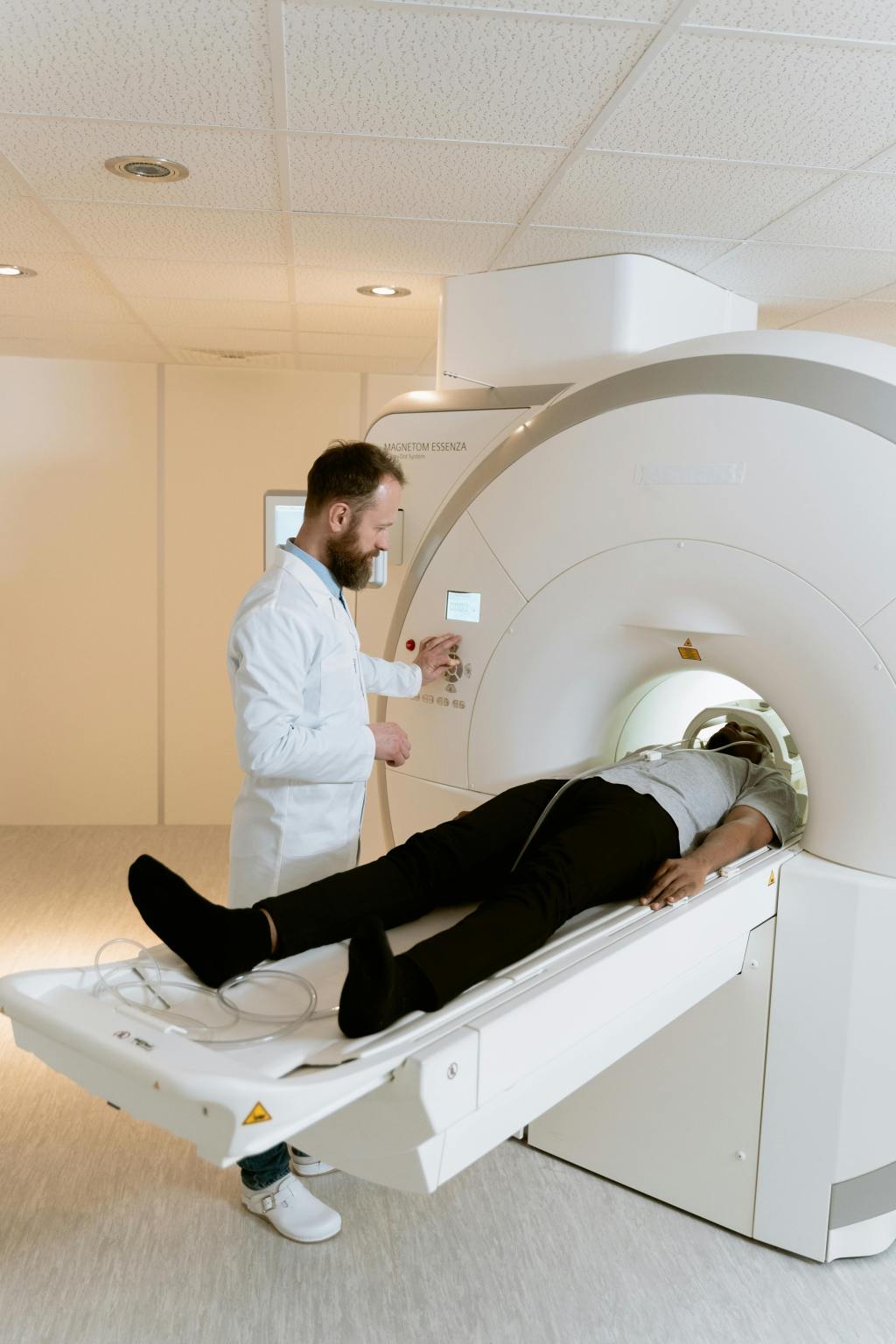
It uses a single MRI scan that can be done in mid-life and before someone is showing any signs of the conditions.
Otago University scientists worked with Duke and Harvard universities in the United States and have published their findings in the prestigious medical journal Nature Aging this week.
Data from Otago’s Dunedin Study – which has followed 1037 participants since they were born in 1972 and 1973 – has been critical in the work.
That study looked at changes in blood pressure, glucose and cholesterol levels, tooth and gum health and other body functions over 20 years to see how quickly people were ageing.
That data was then compared with an MRI taken when the study participants were 45 and a tool – an algorithm known as Dunedin PACNI – was developed that can look at anyone’s MRI and estimate how they might age.
Dunedin Study director Professor Moana Theodore said study members who had higher or faster PACNI scores were more likely to have poorer health.
“And also poorer physical functioning, things like walking and balance, and also poorer cognitive function, things like poorer memory even though they were, at that stage in their mid 40s,” she said.
The new tool was then tested out on 50,000 brain scans from data on people aged 50-89 in other parts of the world.
“In those studies of older people we were able to identify things like the development of chronic disease, so, an increased likelihood of heart attacks or strokes, an increased risk of being diagnosed with dementia over time and even an increased mortality,” she said.
The study found those who were ageing faster had more shrinkage in the hippocampus region of the brain and performed worse on cognitive tests.
Professor Theodore said the tool could help change outcomes for people.
“If we can predict ageing, especially in mid-life…. then what we are able to do is prevent, possibly intervene earlier on to stop or slow down age related diseases like dementia for which there is currently no clear treatment,” she said
She and her team were incredibly proud of the work – and she thanked the Dunedin Study members and their families for their 50 year contribution.
“It’s wonderful to have a New Zealand study that is at the forefront of international research on ageing and how to support people to age positively and well and how to reduce age related diseases that cause people to have poorer quality of life later in life,” she said.
DunedinPACNI will be freely available for scientists around the world to use to further their own work on ageing.
This post is about a Worksheet (below) that teachers can use in the first week or two of the course to introduce students to the 6 big Concepts of the course and to allow a conversation about the significance of good research. The worksheet includes a very recent article from BBC News (June 20th, 2025) and a collection of activities for students to complete, perhaps in small groups, perhaps individually, perhaps for homework…
The birth order theory
Is the first-born always the responsible one and the last born always the fun-loving rebel?
The birth order theory suggests that your position in the family (firstborn, middle child, youngest, or only child) shapes your personality in predictable ways:
Firstborns are said to be more responsible and achievement-focused.
Middle children are often described as peacemakers or attention-seekers.
Youngest siblings are thought to be fun-loving and rebellious.
Only children are sometimes stereotyped as selfish or overly mature.
These ideas are fun to talk about at dinner tables — and even show up in TV shows and social media memes — but do they hold up to scientific scrutiny?
The research says… no.
Decades of research have tried to pin down whether birth order really causes differences in personality. While some studies have found small patterns — for example, that firstborns might score slightly higher on intelligence tests — larger and better-designed studies have found no consistent, universal effects of birth order on broad personality traits.
That doesn’t mean birth order has zero impact. It may shape behaviour in specific family contexts or cultures, and people’s beliefs about birth order can shape their identities. But overall, there’s very little evidence to say that your position in the family determines your personality in any reliable or scientific way.
This example gives us a good way to start understanding the six key Concepts of IBDP Psychology:
1. Bias
We tend to notice evidence that confirms our expectations and ignore what doesn’t — a classic example of confirmation bias. If your older sister is bossy, you might say “Well, obviously, she’s the eldest.” But what about all the bossy youngest children?
2. Causality
Is it really birth order that causes certain traits? Or could it be age, parenting style, socioeconomic status, or even gender expectations? Psychology often grapples with correlation vs. causation, and birth order is a great example of that complexity.
3. Measurement
How do we measure personality? Many studies rely on self-report questionnaires, which come with limitations. People might describe themselves based on how they think they’re supposed to behave as an oldest child, not how they actually behave.
4. Perspective
The impact of birth order may differ between cultures and families. In some societies, firstborns may carry traditional responsibilities, while in others, birth order is far less significant. Perspective reminds us that psychology is not one-size-fits-all.
5. Change
Your personality and family roles can shift over time. A younger sibling might become more responsible later in life. Psychology recognises that behaviour and identity are not fixed, but dynamic.
6. Responsibility/Ethics
If we assume someone’s behaviour is fixed by their birth order, that can be limiting — even harmful. Ethical psychology considers the social consequences of labelling, stereotyping, and drawing broad conclusions from incomplete evidence.
In the first week of IB Psychology, we’ll use this birth order debate to practice:
Asking critical questions about theories and research
Exploring the six Concepts in real-world contexts
Discussing beliefs vs. evidence, and developing a scientific mindset
You’ll be using the attached worksheet to guide your thinking and conversation. Don’t worry — you don’t need to be an expert in Psychology yet. The goal is to start asking smart questions and learning how to evaluate claims, whether they’re in a textbook, a TikTok post, or a family argument at dinner.
Final Thought
What is your birth order? (First-born, middle child, youngest, only child, twin, etc.)
Do you think your birth order has influenced your personality or behaviour? If so, in what ways?
Do people ever describe you using “birth order” traits? (e.g. “You’re such a responsible oldest child” or “Typical youngest!”) Do you agree or disagree with those descriptions?
How are your siblings’ personalities different from yours? Do you think these differences are because of birth order, or something else?
Do you think all first-borns are more responsible? All youngest siblings more fun or rebellious? Why or why not?
Do you think people act a certain way because of their birth order — or because they believe birth order affects their behaviour? Can belief shape personality?
Do cultural or family expectations influence how children behave based on their birth order? Can you think of an example?
Have you ever changed your role in the family over time? For example, were you once the “quiet one” but became more assertive? What caused that change?
Do you think only children are different from children with siblings? In what ways, and why?
If someone knew nothing else about you except your birth order, what might they assume about your personality? Do you think they’d be right?
These questions can lead to some rich and open discussion — and they provide a natural bridge into critical thinking, the importance of evidence-based research, and the limitations of generalisations in psychology.
Psychology is full of ideas that sound right — but part of becoming a psychologist is learning to dig deeper. The birth order theory may not be strongly supported by data, but it gives us the perfect launchpad into the skills, attitudes, and concepts that define this course.
Real answers to your IBDP Psychology exam questions
Struggling to figure out how much students need to write to get full marks? Wondering whether research studies are essential in exam answers? Curious how the new Class Practicals actually relate to the Paper 3 questions?
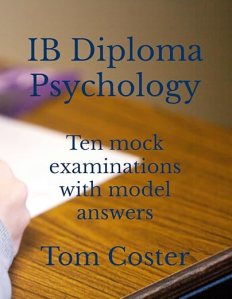
You’re not alone—and now, you don’t have to guess because here’s an essential resource for the new IBDP Psychology course: A book of TEN complete exams (Standard and Higher Level), complete with high-scoring sample responses for every paper. TEN separate exam papers – use them for exam preparation lessons and for your end of year practice/mock exams.
This is the guide every teacher and student has been waiting for.
Detailed examples of full-mark answers—so students know exactly what ‘excellent’ looks like.
Clear guidance on how much to write, how to structure responses, and what the examiners expect.
Smart insights into whether and how to use research studies in your answers.
A clear link between the Class Practicals and how they prepare students for the demands of Paper 3.
Whether you’re teaching the course or preparing to sit the exam, this book takes the mystery out of assessment and replaces it with confidence, clarity, and results.
While the IB provides just one sample exam on the MyIB Programme Resource Centre, Tom Coster’s book goes much further – TEN full-length exams (Papers 1, 2 and 3), each with high-scoring student responses. These sample answers give students and teachers a very clear insight into what a top-level response looks like.
Instead of guessing what earns a 7, readers can analyse near-perfect responses, identify successful strategies, and improve their own writing and exam technique. For teachers, it’s a time-saving tool for revision, assessment preparation, and modelling high standards. For students, it’s like having a roadmap to exam success.









 Tom Coster - Psychology