Tag: wellness

  • The Dunedin longitudinal study, ageing, brain scans and dementia – a worksheet.

    The Dunedin longitudinal study, ageing, brain scans and dementia – a worksheet.

    News article:

    New Zealand scientists have helped develop an internationally groundbreaking tool that estimates a person’s risk of getting dementia and other age-related diseases.

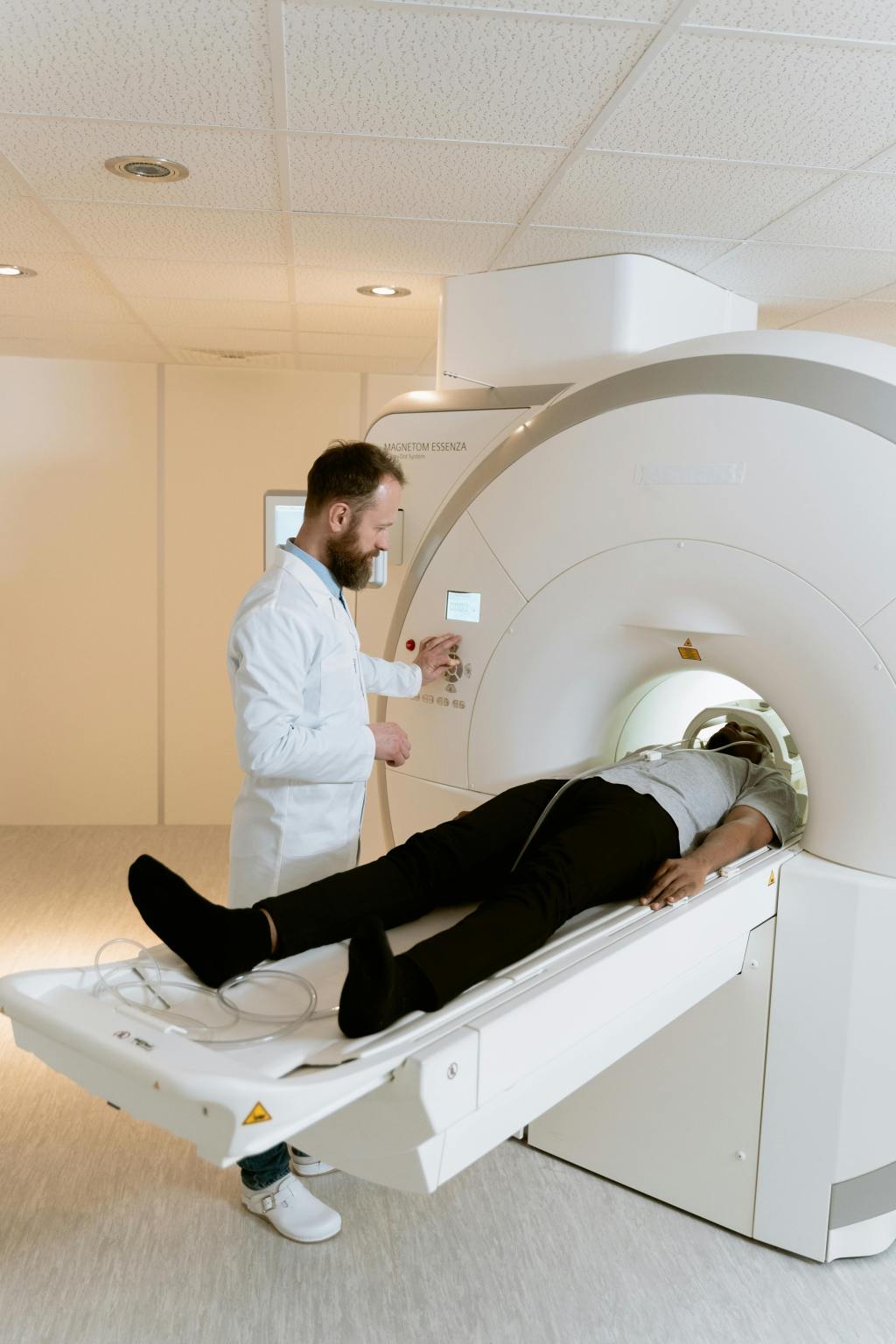
    It uses a single MRI scan that can be done in mid-life and before someone is showing any signs of the conditions.

    Otago University scientists worked with Duke and Harvard universities in the United States and have published their findings in the prestigious medical journal Nature Aging this week.

    Data from Otago’s Dunedin Study – which has followed 1037 participants since they were born in 1972 and 1973 – has been critical in the work.

    That study looked at changes in blood pressure, glucose and cholesterol levels, tooth and gum health and other body functions over 20 years to see how quickly people were ageing.

    That data was then compared with an MRI taken when the study participants were 45 and a tool – an algorithm known as Dunedin PACNI – was developed that can look at anyone’s MRI and estimate how they might age.

    Dunedin Study director Professor Moana Theodore said study members who had higher or faster PACNI scores were more likely to have poorer health.

    “And also poorer physical functioning, things like walking and balance, and also poorer cognitive function, things like poorer memory even though they were, at that stage in their mid 40s,” she said.

    The new tool was then tested out on 50,000 brain scans from data on people aged 50-89 in other parts of the world.

    “In those studies of older people we were able to identify things like the development of chronic disease, so, an increased likelihood of heart attacks or strokes, an increased risk of being diagnosed with dementia over time and even an increased mortality,” she said.

    The study found those who were ageing faster had more shrinkage in the hippocampus region of the brain and performed worse on cognitive tests.

    Professor Theodore said the tool could help change outcomes for people.

    “If we can predict ageing, especially in mid-life…. then what we are able to do is prevent, possibly intervene earlier on to stop or slow down age related diseases like dementia for which there is currently no clear treatment,” she said

    She and her team were incredibly proud of the work – and she thanked the Dunedin Study members and their families for their 50 year contribution.

    “It’s wonderful to have a New Zealand study that is at the forefront of international research on ageing and how to support people to age positively and well and how to reduce age related diseases that cause people to have poorer quality of life later in life,” she said.

    DunedinPACNI will be freely available for scientists around the world to use to further their own work on ageing.

    Source: Single MRI scan could be used to estimate dementia risk | RNZ News


    Whitman et al, (2025). DunedinPACNI estimates the longitudinal Pace of Aging from a single brain image to track health and disease.


  • Earlier bedtimes leads to better cognition

    Every year, I tell my students that sleep is just as important as revision and study habits when it comes to academic performance. And now, a compelling new study from the University of Cambridge and Fudan University gives us even more reason to double down on that message.

    In a study involving over 3,000 teenagers, researchers discovered that those who:

    • Went to bed earlier,
    • Slept longer,
    • And had lower sleeping heart rates,

    scored significantly higher on a range of cognitive tests, including reading, vocabulary, and problem solving.

    Even more striking? The actual difference in sleep duration between groups was minimal—just 15 minutes between the lowest and highest scoring groups—yet this small variation had a surprisingly large impact on brain performance and function.

    Brain scans revealed that teens with the best sleep habits not only performed better but also had larger brain volumes and more efficient brain function.

    Despite these findings, even the best-sleeping teens in the study didn’t reach the 8–10 hours per night recommended by the American Academy of Sleep Medicine. The healthiest group averaged just seven hours and 25 minutes of sleep.

    Why? Teenagers face a biological shift toward later bedtimes during adolescence. Add in screen use, homework, social media, and caffeine—and you’ve got a generation of students consistently underslept.

    We’re not powerless. In fact, this is where we shine. As Psychology teachers, we can…

    1. Teach the Science of Sleep

    Incorporate sleep research into your lessons on cognitive development, memory, and mental health. Use this new study to show how even small changes in sleep patterns make a real difference.

    2. Debunk Myths

    Help students understand that “catching up” on weekends (aka social jet lag) doesn’t undo the damage of sleep loss during the week. Emphasize consistency.

    3. Promote Simple, Practical Changes

    Share strategies backed by experts:

    • Encourage regular exercise to improve sleep quality.
    • Urge students to limit screens an hour before bedtime.
    • Support healthy bedtime routines, such as winding down with a book, journaling, or light stretching.

    4. Embed Sleep into Pastoral Care

    Work with your school’s wellbeing or pastoral team to create sleep hygiene workshops, or add sleep content into personal and social education. Oxford’s Teensleep project is a great resource for ideas and activities.

    5. Make Sleep “Cool”

    Reframe sleep as a performance enhancer. Better memory. Sharper thinking. Bigger brains. It’s the one lifestyle change that benefits everything from academics to mental health—and it doesn’t cost a thing.


    Professor Barbara Sahakian, who co-led the study, put it best: “It’s the sleep driving the better cognitive abilities… Small differences in sleep amounts accrue over time to make a big difference in outcomes.”

    Let’s empower our students to make those small changes—because every extra minute of quality sleep could mean a stronger brain, clearer thinking, and greater wellbeing.


  • Sleep – the overlooked health treatment

    Sleep – the overlooked health treatment

    As psychology teachers, we’re often at the front and centre of mental health discussions – with students and also with colleagues. We teach our students about the biological, cognitive, and social explanations of disorders, the effectiveness of SSRIs, and the transformative power of CBT. And yet, one of the simplest and most effective interventions remains woefully underemphasized: adequate sleep.

    There is a mountain of credible, published research highlighting just how significant sleep is to emotional regulation. We have compelling evidence showing that poor sleep isn’t just a symptom of anxiety or depression, it is often the primary cause.

    The relationship between sleep and mental health is bidirectional, creating a vicious cycle: insufficient sleep heightens emotional reactivity, disrupts rational thought processes, and increases vulnerability to stress, making individuals more prone to anxiety and depression.

    One night of sleep deprivation leads to a significant spike in anxiety and low mood the following morning. Chronic, ie longer term, sleeplessness makes everyday events feel more negative, reinforcing a bleak outlook on life. Research shows that individuals suffering from insomnia are at twice the risk of developing anxiety or depression compared to those who sleep well.

    The evidence is compelling. Sleep deprivation impairs the prefrontal cortex, the brain’s emotional regulator, weakening its connection to the amygdala, which governs fear and emotional responses. This disruption makes individuals more emotionally volatile, prone to misperceiving neutral events as negative, and more likely to spiral into stress and mood disorders.

    As educators, we must recognize the immense potential of sleep education as a preventative mental health strategy. A CAS project that focuses on sleep awareness could help students (and colleagues) track their sleep, analyze its effects on mood and cognitive function, and share findings with peers.

    Getting sufficient sleep is not about school starting later or school providing quiet spaces for rest. It’s about teaching students, their parents, and colleagues that the simplest treatment (and prevention) strategy relating to the most common mental health issues of anxiety and depression is getting sufficient sleep. In general we all need 8-9 hours of sleep, so we must go to bed more than 8-9 hours before the required wake-up time because we need about half an hour to ‘fall asleep’. We all need to be in bed, light off and phone off around half an hour before the sleep time.

    Ultimately, if there is one piece of mental health advice we can give our students—and even our colleagues—it is this: Prioritize sleep because it is the foundation of emotional resilience, cognitive function, and overall well-being.

    I seldom see anxious cats.