Tag: technology

  • New worksheet: The role of technology in health and wellbeing (HL)

    We’ve just added a new free worksheet designed to support DP Psychology HL students as they prepare for Paper 3, particularly Question 4 on the role of technology in the health and wellbeing context.

    Based on a recent Guardian article exploring how young people are taking control of their smartphone use to manage mental health, the worksheet guides students through a critical reading and reflection process. It encourages them to consider how media shapes public understanding of digital wellbeing.

    A key feature of this activity is a close look at the reference to the Netflix series Adolescence—a dramatized portrayal of online misogyny. The worksheet prompts students to explore the Responsibility of including fictionalised content within an otherwise fact-based article. Is it appropriate? Does it blur the line between evidence and entertainment? What are the ethical considerations?

    The aim is to help students build their own informed responses, drawing on both media literacy and psychological concepts relevant to wellbeing in the digital age.

    You can download the worksheet below.


  • The Powerpoint presentations are available now

    The Powerpoint presentations are available now

    New Teaching Resource Available: Complete PowerPoint Bundle for Tom Coster’s IB Diploma Psychology – The Textbook

    Great news!!!

    We’re thrilled to announce the arrival of a comprehensive set of 18 fully editable PowerPoint presentations designed to complement Tom Coster’s IB Diploma Psychology – The Textbook! Whether you’re an experienced IB Psychology teacher or new to the curriculum, this resource is your ultimate companion for delivering engaging and effective lessons.

    Why You’ll Love This Bundle

    This set of presentations aligns seamlessly with the updated IB syllabus (first examinations in 2027), covering the Concepts, Content, and Contexts required for student success. Each PowerPoint is structured for clarity and engagement, making complex psychological theories and research accessible to learners.

    What’s Included?

    This all-in-one teaching bundle consists of 16 separate PowerPoint (.pptx) files, covering:

    Critical thinking in Psychology

    Bias

    Causality

    Change

    Measurement

    Perspective

    Responsibility

    The biological approach

    The cognitive approach

    The sociocultural approach

    Research methodology

    Health & well-being

    Human development

    Human relationships

    Cognition and learning

    The Internal Assessment

    The Examination

    How to do well in IBFP Psychology

    Fully Customizable and Ready to Use

    Each presentation is visually appealing, logically structured, and ready for immediate use in your classroom. However, all slides remain fully editable, allowing you to adapt them to your own teaching style and student needs.

    Prepare Your Students for Success

    Beyond delivering content, these presentations provide exam preparation guidance and support for the Internal Assessment, ensuring students are confident and well-prepared for every aspect of the IB Psychology course.

    Start using this powerful teaching tool today!


  • What I Think Makes Good Teaching

    Good teaching starts with a well-qualified teacher, naturally. But qualifications alone aren’t enough. For me, great teaching also depends on a healthy dose of self-confidence, which comes from knowing your subject inside and out and having planned lessons that are engaging, relevant, and well-structured. When you’ve put the work into preparation, confidence follows—and that confidence can make all the difference in the classroom.

    Confidence comes from careful planning and preparation as much as from self-belief.

    Another essential? Students who show up. Regular attendance is the bedrock of progress, and while life happens—visas, weddings, funerals, even pandemics—students who are there for (almost) every lesson give themselves the best chance to succeed.

    In terms of tools, I don’t need a flashy setup. A whiteboard, projector, and laptop are all I ask for. These basics let me bring the lesson to life with PowerPoint slides, the occasional YouTube video, and of course, whatever ends up scribbled (er… written carefully and neatly) on the white board during class discussions.

    One thing I emphasize with my students is the importance of creating personalized class notes. I’m a firm believer in hardback notebooks, rulers, highlighters, boxes, lines, and diagrams. There’s something uniquely effective about the tactile process of writing and organizing notes by hand—it helps students make the material their own.

    To keep the learning process on track, I use multiple-choice tests to quickly gauge how well students have grasped the content or a concept. These aren’t for grades—they’re to answer one question: Can we move on, or do I need to reteach something?

    Finally, a good textbook is invaluable. Students can use it to reinforce what we learn in class or catch up if life interrupts their learning. Real life has a way of doing that, and having a reliable resource at home makes all the difference in staying on course.

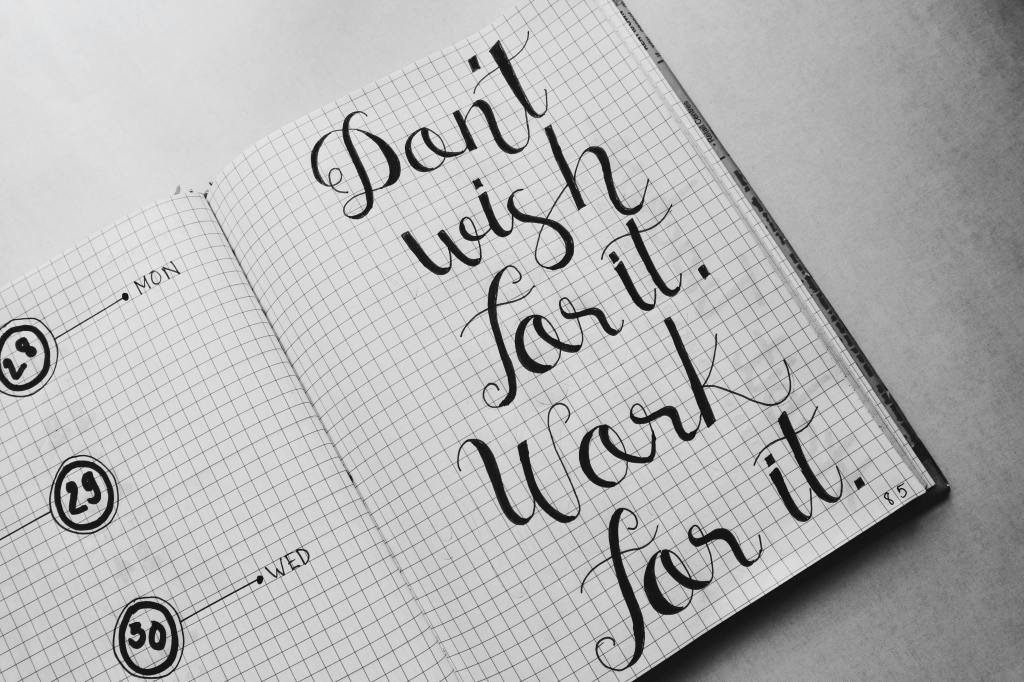
    So, for me, good teaching is about balance: confidence, preparation, flexibility, and keeping things practical and straightforward. It’s not about perfection—it’s about making sure the students learn. It doesn’t happen because of luck or wishing or hoping. Good teaching comes from hard work.