When the IB Psychology guide lists “the role of technology in behaviour” as a Higher Level topic, many teachers immediately think smartphones and social media. And yes, Instagram’s impact on attention spans is relevant. But this topic offers so much more depth and variety than we might initially assume.
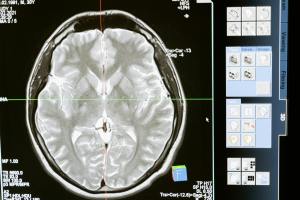
Start with the basics: brain scanning technology itself. fMRI and PET scans aren’t just research tools—they’re technologies that have fundamentally changed how we understand behaviour. Now add AI software interpreting those scans, potentially diagnosing conditions before human experts spot the patterns. Suddenly we’re discussing how technology doesn’t just study behaviour; it actively shapes our understanding of what behaviour even is.
Then there’s the everyday technology students actually use. Does relying on smartphones for navigation atrophy our spatial memory? When we outsource our recall to Google, are we fundamentally changing how memory consolidation works? Language learning apps like Duolingo use gamification and spaced repetition algorithms—technologies that directly target learning behaviour. Meanwhile, YouTube’s recommendation algorithm creates confirmation bias echo chambers, reinforcing existing beliefs and shaping political behaviour worldwide.
But let’s go broader. Does television count as technology? Absolutely—and its effects on attention, aggression, and prosocial behaviour are well-researched. eBooks versus physical books might seem trivial until you examine reading comprehension and retention studies. Online courses use adaptive learning technologies that personalize content delivery in ways a human teacher never could.
Here’s the historical perspective students need: When Gutenberg invented the printing press, scholars worried it would destroy memory and critical thinking because ‘why remember anything if it’s written down?’ When Edison’s light bulb extended waking hours, social critics feared it would disrupt natural human rhythms and family cohesion. Sound familiar?
A note to teachers: You don’t need to cover every technological innovation from the abacus to ChatGPT. The goal is helping students think critically about how any technology might influence behaviour—through cognitive load, social interaction patterns, information access, or behavioural conditioning. Give them a framework for analysis and a few solid examples. When exam day comes, they’ll be equipped to write intelligently about whatever technological scenario appears in the question, whether it’s covered in your lessons or not.
 Tom Coster - Psychology