
- Overview
- Chapter summaries
- Study material: Concepts
- Study material: Context – Health and wellbeing
- Study material: Content – The biological approach
- Study material: Vocabulary
- Study material: Questions and activities
- Has our free Study Material helped you?
Overview
Leo, a quiet IB Diploma student, becomes lost in the Remutaka forest during a CAS expedition after following a kakariki (red-crowned parakeet). His two-day ordeal in the wilderness leads to a PTSD diagnosis and problematic alcohol use, a coping mechanism he learned from his parents. Through therapy combining SSRIs and Cognitive Behavioural Therapy, Leo learns to understand his symptoms through both biological and cognitive perspectives, ultimately finding healthier and more effective ways to manage stress and developing intrinsic motivation for his recovery and future.

Chapter summaries
Chapter 1: Leo’s CAS trip
Leo joins his class’s week, long CAS expedition to the Remutaka forest for conservation work. During the first evening, the Department of Conservation ranger, Jared, introduces the pest eradication research while emphasizing the importance of objective data and precise measurement. Leo secretly brings vodka in water bottles, reflecting the drinking habit he’s learned from his parents, and writes his first reflective journal entry about finding purpose in quiet usefulness.
Chapter 2: Chocolate and orangutans
The students spend their days laying chew cards and traps to collect objective, measurable data on pest species, with Jared repeatedly stressing precision in measurement. Leo has an interesting conversation with Jared about the ethics of chocolate production and palm oil. During dinner, Ms Roberts leads a discussion about using animal research to understand human mental health, particularly fear conditioning and addiction, which triggers Leo’s thoughts about his uncle’s problematic use of alcohol and the diathesis-stress model.
Chapter 3: Taking the edge off
While checking chew cards with two classmates, Ethan and Jade, Leo stops to examine one and is distracted and captivated by a kakariki, the rare bird central to the conservation project. He follows the bird into the undergrowth and becomes disoriented, unable to find the trail or hear his classmates. His body exhibits classic acute stress responses when he realizes he’s lost, and he uses vodka to calm himself, justifying it as his parents do by saying it ‘takes the edge off’.
Chapter 4: Lost
Back at camp, Ethan and Jade assume Leo returned separately. Through the night, the school group evacuates because of dangerously rising floodwaters without noticing Leo’s missing until they’re on the bus. Leo spends the night alone under a makeshift shelter, experiencing fear and isolation while police search teams organize a systematic search operation. The teacher, Ms Roberts, reflects on how chronic stress has affected her own decision-making, recognizing she failed to do a proper roll check before leaving.
Chapter 5: And found
Police search teams spread through the forest while Leo, suffering from dehydration and mild concussion, struggles with fragmented memories and rising confusion. He reflects in his journal about Self-Determination Theory and motivation, recognizing that the forest experience is giving him autonomy, competence, and a sense of connection he’s never felt before. A search team eventually finds him disoriented and hypothermic, and he’s airlifted to Wellington Hospital where doctors explain PTSD to him and his parents using research from animal studies.
Chapter 6: PTSD
Leo struggles to return to school, experiencing hypervigilance, flashbacks, and difficulty concentrating, all standard symptoms of PTSD. He has an appointment with Dr Rose, a psychologist, who explains how his brain’s fear response continues to be activated even though the danger has passed. During the session, she shows Leo fMRI images to help explain how different brain regions are affected by trauma, helping Leo understand that his symptoms have both biological and psychological components.
Chapter 7: A fire drill and a broken tree branch
Ethan and Jade apologize to Leo, but he insists his getting lost wasn’t their fault, demonstrating his understanding of causality. A school fire-drill triggers a panic attack and Leo has a full assessment with both Dr Rose and psychiatrist Dr Ropata, who diagnose PTSD and comorbid substance use. They explain the biological basis of his symptoms, emphasizing he and his behavior are not ‘just’ chemical reactions. They begin treatment with SSRIs and introduce Cognitive Behavioural Therapy.
Chapter 8: Cognitive behavioural therapy
Dr Rose teaches Leo the CBT triangle model, showing how thoughts, feelings, and behaviors are interconnected and how challenging his automatic thoughts can change his emotional responses. Leo begins taking SSRIs while attending weekly therapy sessions, learning to identify and reframe his negative thought patterns. His drinking continues, but he begins to recognize that alcohol worsens his symptoms rather than helping him, by disrupting the neurotransmitter balance the medication is trying to restore.
Chapter 9: School assembly
Leo delivers a presentation in a school assembly about his PTSD experience, explaining both the neuroscience and the recovery process to help reduce mental health stigma. Jared, the Conservation scientists/ranger returns to present data from the conservation project, reporting successful pest control and new kakariki nesting sites, which leads Leo to question the ethics of pest eradication and the concept of ‘restoration’ in conservation biology. In his final CAS journal entry, Leo reflects on how understanding both the biological aspects of his experience helped him heal.
Chapter 10: A letter to Leo
In his final therapy session, Dr Rose asks Leo to write a letter to his 25-year-old self, reflecting on everything he’s learned. Leo writes extensively about technology’s limitations, the role of culture in shaping behavior, and his journey from extrinsic to intrinsic motivation. He recognizes how New Zealand’s individualistic culture affected his decision to keep walking when lost, how his family’s culture normalized alcohol use, and how his friendship with Grégoire, the French exchange student, demonstrated alternative cultural perspectives on mental health and alcohol use.

Study material: Concepts
Bias
Definition/Explanation: Bias refers to errors in thinking, perception, or judgment that lead to distortions of rationality or inaccuracies, often occurring unconsciously and influencing how we process information, make decisions, and interpret experiences. Biases include confirmation bias, which means seeking information that confirms existing beliefs, attribution bias, which means explaining behaviors in biased ways, for example blaming others’ failures on character while attributing our own to circumstances, availability bias, which means judging probability based on how easily examples come to mind, and hindsight bias, which means thinking past events were more predictable than they actually were. In research, bias threatens validity through experimenter bias which occurs when researchers’ expectations influence the study’s results, sampling bias which occurs because of non-representative participants, and cultural bias, which occurs when we assume results from one culture apply in all cultures. Recognizing bias is important for critical thinking because judgments can feel rational and objective even when affected by distortions. Awareness of possible biases helps us evaluate evidence more accurately, consider alternative interpretations, and avoid premature conclusions based on inaccurate information.
Application in the story: Bias appears in several forms in Leo’s experience, most explicitly in Chapter 1 where he demonstrates confirmation bias by rolling his eyes when he hears about ‘visual learners,’ having decided that Gardner’s theory of multiple intelligences has ‘no evidence’ and therefore no validity. Attribution bias operates in Leo’s self-blame following the incident, he consistently attributes getting lost to his own stupidity and poor judgment (internal attribution) while Ethan and Jade also blame themselves for not watching out for him (Chapter 7), but Leo works to correct this bias by recognizing ‘I got lost because I was just behaving fairly normally, making simple mistakes in my thinking that most people make almost all the time,’ showing a more balanced causal attribution. The story also addresses cultural bias in Chapter 1 when Ms Roberts warns students not to assume ‘that the way you behave is the same way everyone else does, or that rats and weasels act like little humans with tails. You need evidence, not assumptions,’ cautioning against anthropomorphism and ethnocentric thinking. In Chapter 9, Leo’s assembly presentation explicitly discusses heuristic thinking biases like ‘more expensive must mean better’ or relying on popularity when choosing phones, explaining how ‘our brains like shortcuts that save us time and effort’ but these mental shortcuts can generate errors, showing that bias is a normal feature of human cognition.

Causality
Definition/Explanation: Causality refers to the relationship between causes and effects, where one event, variable, or condition produces another. Understanding causality is important in psychology’s goal of explaining behavior rather than just describing it. Establishing causal relationships requires meeting specific criteria: temporal precedence, meaning the cause must precede the effect, correlation, meaning the cause and effect must be associated, and elimination of alternative explanations, meaning other possible causes must be ruled out, typically through experimental control. The complexity of causality in psychology recognizes that most behaviors have several causes, that causes can interact, as in the diathesis-stress model, and that correlation does not mean causation.
Application in the story: Causality is addressed in Chapter 7 when Ethan and Jade apologize for not watching Leo, and Leo responds by saying that causality is not straightforward: ‘Cause and effect; it’s not always a straight line. Sometimes we think if we can just pin it on something or someone, we’ll feel better. We all made decisions that day, but my decisions were what got me lost,’ showing that multiple factors contributed. Leo reflects on causal complexity (Chapter 1) when Jared states ‘If you didn’t measure it, it didn’t happen,’ emphasizing that establishing causation requires objective evidence rather than assumption. Throughout his journal entries Leo struggles with understanding what caused him to get lost, initially looking for simple explanations but gradually recognizing the interaction of several factors such as distraction, overconfidence, inadequate preparation, and environmental conditions. The diathesis-stress model presented (Chapters 1 and 7) shows interactive causation where genetic vulnerability (diathesis) and environmental trauma (stress) interact to cause PTSD, neither alone is sufficient and their interaction geenrates the disorder, showing that causation often involves multiple causes working together. In Chapter 10, Leo wrestles with whether New Zealand culture ‘caused’ his decision to keep walking when he knew he was lost, recognizing that culture influences behavior without deterministically causing it: culture provides the framework and influences but doesn’t remove individual agency, showing the difference between causal influence and causal determinism in understanding behavior.
Change
Definition/Explanation: Change in psychology refers to modifications in behavior, cognition, emotion, or brain structure/function over time. Understanding change is important for both developmental psychology and therapy. Change can occur through several mechanisms: learning and experience, such as classical and operant conditioning and social learning, cognitive restructuring such as modifying thought patterns and beliefs, neuroplasticity, which means brain structure and function reorganization, maturation, which means biologically, programmed developmental changes, and environmental modifications. Change usually involves stages rather than sudden transformations – contemplation, preparation, action, and maintenance, with relapse being common, requiring sustained effort and often multiple attempts. Change can be adaptive, for example, recovery from mental illness, skill acquisition, and positive behavioral change, or maladaptive, for example, development of disorders, loss of abilities, and negative habit formation. Factors influencing change include motivation, self-efficacy, which means belief in one’s ability to change, social support, environmental resources, and the interaction between biological predispositions and environmental opportunities.
Application in the story: Change operates at several levels in Leo’s recovery, most clearly through neuroplasticity (Chapters 3, 5, and 7) when Leo learns that ‘the brain isn’t fixed, that it can and does change’ through ‘learning to think differently again and again until new neural pathways form,’ providing the biological foundation for psychological change. Leo’s treatment illustrates therapeutic change: Dr Rose explains in Chapter 7 that ‘the brain isn’t fixed. It can change with treatment,’ and Leo’s combined SSRI and CBT approach produces gradual changes in brain chemistry, thought patterns, and behavioral responses rather than immediate transformation. The story portrays change as requiring time and effort. Leo notes in Chapter 9 that ‘brains change, but like broken bones, it’s a slow process,’ and his recovery spans multiple months from initial diagnosis through treatment to medication discontinuation, demonstrating that meaningful change does not happen quickly. Chapter 8’s CBT treatment shows cognitive change, when Leo practices challenging automatic thoughts repeatedly until new thinking patterns become habitual. His final letter (Chapter 10) reflects on motivational changes from predominantly extrinsic motivation, doing things for external approval, to more intrinsic motivation, valuing activities for their inherent meaning.
Measurement
Definition/Explanation: Measurement involves quantifying or systematically observing psychological phenomena for objective study, comparison, and evaluation, transforming subjective behavior into data that can be analyzed. There are unique challenges to measurement in psychology because many constructs, such as anxiety, intelligence, and motivation are not directly observable and must be measured indirectly using such tools as self-report scales, observations, physiological indicators, and cognitive tests. Good measurement requires validity, which means measuring what we intend to measure, reliability which means producing consistent results across time and observers, and appropriate sensitivity, which means detecting meaningful differences without being affected by irrelevant factors. Some phenomena may be reduced or distorted by quantification, cultural differences may affect measurement validity, and an over-reliance on measurable aspects may neglect important but less quantifiable dimensions of behavior.

Application in the story: Measurement is introduced as a theme in Chapter 1 when Jared insists on ‘precision of measurement’ as ‘our most important consideration in this research,’ demanding exact spacing of traps, consistent bait placement, and accurate recording of times and locations rather than Tom’s attempts to ‘guesstimate distances by eye.’ The story contrasts different types of measurement: the conservation project uses objective behavioral measures (chew card tooth marks, trap contents, GPS coordinates) to quantify pest activity, while Leo’s psychological assessment uses several measurement approaches including self, report symptoms, clinical interviews, and behavioral observations to diagnose PTSD. Brain imaging represents sophisticated physiological measurement, the MRI (Chapter 4) measures brain structure to detect damage, while fMRI (Chapter 6) measures blood flow patterns to infer brain activity, but Dr Rose notes these measurements’ limitations: they show biological structure and function but cannot measure subjective experience like fear or shame, showing that some important psychological phenomena resist quantification. Leo’s final letter (Chapter 10) reflects on measurement’s value and limits, noting that technology ‘can help us understand the brain, but not the whole person,’ and recognizing that while measurement enables scientific understanding, it cannot fully capture human experience.
Perspective
Definition/Explanation: Perspective refers to a viewpoint, framework, or approach from which phenomena are understood, recognizing that the same behavior can be viewed differently depending on the individual position from which it is examined. Different theoretical perspectives such as the biological, cognitive, or sociocultural approach, emphasize different aspects of behavior. For example, depression might be explained through low serotonin (biological approach), negative thought patterns (cognitive approach), or cultural factors affecting symptom expression (sociocultural approach). Cultural perspective involves recognizing that behaviors are influenced by culture and that phenomena considered normal in one culture may be viewed differently in another. Taking multiple perspectives usually generates a richer understanding than any single viewpoint. Perspective-taking also applies to individual differences: recognizing that people interpret the same events differently based on their beliefs and contexts, which explains why identical situations produce varied responses.
Application in the story: Perspective is introduced in Chapter 1 when Ms Roberts discusses ethics in conservation, stating ‘Ethics in conservation often means choosing between two forms of harm. That’s why perspective matters,’ and later warns students not to assume animals ‘think or feel the way we do’ or that ‘the way you behave is the same way everyone else does,’ emphasizing the importance of different perspectives. The story integrates several perspectives on Leo’s PTSD: biological (brain structure and neurochemistry in Chapters 6-7), cognitive (thought pattern analysis in Chapter 8), and sociocultural (family culture’s influence on Leo’s coping strategies, New Zealand cultural values affecting his behavior when lost). Cultural perspective is discussed through the contrast between Leo’s and Grégoire’s backgrounds (Chapter 6) when Grégoire’s French perspective on therapy (‘that’s good. I hope she’s helping’) and alcohol (part of family meals rather than emotional avoidance) shows how cultural context can shape interpretation of behavior, with Leo recognizing that ‘his way isn’t the only way and may not be the right way’ (Chapter 10).
Responsibility
Definition/Explanation: Responsibility in psychology involves questions about accountability, moral agency, and the extent to which people can be held responsible for their behaviors given biological, psychological, and social factors that affect their behavior. The tension between determinism (the idea that behavior is caused by factors beyond individual control) and free will (the capacity for self, directed choice) leads to philosophical and practical challenges, for example if behavior results from brain chemistry, genes, past experiences, and environmental pressures, how much choice do people have? In mental health contexts, responsibility questions whether people are responsible for developing disorders (generally no, disorders result from factors beyond a person’s control) and whether they are responsible for symptoms during illness (complicated symptom expression may be involuntary but can be modified through treatment). The concept also includes collective responsibility, societal obligations to reduce risk factors, providing access to treatment, addressing stigma, and creating conditions that promote mental health.
Application in the story: Responsibility is addressed (Chapter 7) when Leo refuses Ethan’s and Jade’s apologies, insisting ‘I walked off the trail, so I got myself lost and I made it worse by thinking I knew how to get back… it wasn’t your fault… You didn’t cause it’. Leo is taking responsibility for his decisions while recognizing they did not intend harm. The story complicates simple notions of responsibility by showing that multiple factors beyond Leo’s control influenced his behavior, such as genetic vulnerability (Chapter 1), family modeling of alcohol as a coping mechanism (Chapters 1, 3, 7), and New Zealand’s cultural values that emphasize independence that shaped his decision to keep walking rather than wait (Chapter 10). Leo’s reflection demonstrates understanding that while he made the choices that led to getting lost, those choices were affected by cognitive biases, cultural conditioning, and normal human limitations. The treatment narrative emphasizes Leo’s responsibility for recovery. Dr Rose’s joke (Chapter 8) that therapy requires the patient to ‘really truly want to change’ shows that while PTSD was not his fault, engagement in recovery is his responsibility, and Leo’s active participation in CBT, medication compliance, and practice of skills mean he takes responsibility for the healing process. Chapter 10’s letter shows an understanding of responsibility: Leo recognizes that past influences, such as family patterns and cultural conditioning, shaped his behavior without removing responsibility to make conscious choices, acknowledge when help is needed, and work toward change, demonstrating that understanding deterministic influences can coexist with accepting personal agency and responsibility.

Study material: Context – Health and wellbeing
Biological explanations
Definition/Explanation: Biological explanations of mental health disorders focus on physiological factors such as brain structure abnormalities, neurotransmitter imbalances, hormonal dysregulation, and genetic predispositions. For PTSD specifically, biological explanations include hyperactivity in the amygdala, which is the brain’s fear center, reduced hippocampal volume which affects memory processing and contextualization, and impaired prefrontal cortex function which normally regulates emotional responses. Neurochemical explanations highlight dysregulation of stress hormones, for example, elevated cortisol and noradrenaline, and neurotransmitters, for example, low serotonin, and disrupted dopamine, which together keep the brain in a state of hyperarousal and contribute to symptoms such as hypervigilance, flashbacks, and emotional numbing. These biological factors create a neurological ‘alarm system stuck in the on position,’ so that the individual continues responding to perceived threats even after it has passed. Brain imaging studies using fMRI can visualize these alterations during real-time brain function.
Application in the story: The biological explanation of Leo’s PTSD is developed in several chapters, with Chapter 3 describing his acute stress response involving adrenaline, cortisol, and norepinephrine when he realizes he’s lost. In Chapter 7, Dr Ropata gives a biological explanation using a brain scan image, showing Leo how his overactive amygdala reacts to non-threatening stimuli as dangers, his hippocampus, with potentially reduced volume, produces jumbled memories and poor contextualization, and his prefrontal cortex fails to regulate the amygdala’s fear response due to ‘fuzzy communication’ between different brain regions. Dr Rose explains the neurochemical basis, noting that Leo’s low serotonin causes his flat mood, elevated noradrenaline produces jumpiness and hypervigilance, and dysregulated dopamine affects his motivation, all of which are biological abnormalities that explain his symptoms of re-experiencing, avoidance, and hyperarousal. The psychologist in Chapter 4 references animal research on fear conditioning showing that the amygdala and hippocampus process traumatic memories, connecting neuroscience to Leo’s clinical presentation and providing the biological basis for his treatment plan.
Cognitive models
Definition/Explanation: Cognitive models explain mental health disorders by focusing on how maladaptive thoughts, beliefs, and information-processing biases contribute to psychological symptoms and maintain disorders. In cognitive models, disorders like PTSD arise not simply from traumatic events themselves, but from how individuals interpret and make meaning of those events, for example, catastrophic thoughts such as ‘I’ll never be safe again’, overgeneralization such as ‘I can’t trust my judgment’, or self-blame, ‘It was my fault’. The cognitive model proposes that automatic negative thoughts trigger emotional and behavioral responses in a cyclical pattern: situations activate thoughts, which generate feelings, which drive behaviors that can reinforce the original negative thoughts. This model has significant value because it identifies specific, modifiable cognitive processes as targets for treatment, provides a clear mechanism for understanding symptom maintenance, empowers patients by demonstrating to them how changing their thoughts can change their feelings and behaviors, and explains individual differences in response to similar stressors based on cognitive interpretation.
Application in the story: Cognitive models are introduced in Chapter 8 when Dr Rose teaches Leo the CBT triangle, and explains that ‘thoughts, feelings, and behaviors’ form an interconnected cycle and that ‘it’s our interpretation of the event that makes the difference’ and not the event itself. She works through an example where Leo heard students whispering and he decided ‘they’re talking about me getting lost,’ which triggered feelings of embarrassment and anger, leading him to withdraw mentally, demonstrating how his thought (interpretation) rather than the event (whispering) created his distress. Dr Rose guides Leo to challenge this automatic thinking by examining evidence and creating alternative explanations, showing that modifying cognition can break the cycle. Throughout his recovery, Leo applies cognitive models to symptoms: recognizing his guilt about getting lost as a cognitive distortion (Chapter 7), understanding how his catastrophic thinking maintains his anxiety, and learning that his belief ‘I should’ve died’ reflects a thinking error rather than reality. This illustrates how cognitive models provide both explanation and practical intervention strategies for his PTSD.
Cultural differences
Definition/Explanation: Culture influences mental health in how they conceptualize, express, recognize, and respond to psychological distress; cultural norms affect help-seeking behaviors and stigma levels; and cultural contexts shape both risk and protective factors for mental health disorders. Differences in prevalence rates between cultures may reflect genuine variation in disorder occurrence because of different stressors, support systems, or cultural practices, or artifacts of measurement, for example, Western diagnostic criteria may not capture culturally, specific expressions of distress. Cultural approaches to mental health vary. Some cultures emphasize biological/medical models with professional treatment and others prioritize family or community-based healing. Many cultures integrate spiritual or traditional healing practices. Individualistic cultures emphasize personal autonomy and achievement and may have different mental health patterns than collectivistic cultures, which emphasize group harmony and interdependence which has implications for both the way disorders present and in approaches to treatment.
Application in the story: Cultural differences in approaches to mental health are explored through the contrast between Leo’s New Zealand family culture and Grégoire’s French culture, especially in Chapter 6 where Grégoire explains that in France, therapy ‘is not weird. Lots of people go. It’s just a normal part of taking care of yourself,’ while Leo’s family treats psychological help as embarrassing. Grégoire’s cultural perspective on alcohol also differs. He describes wine in France as part of family dining culture, ‘about the taste, the tradition,’ with gradual introduction reducing alcohol’s mystique and abuse potential, which contrasts with Leo’s family where drinking serves as ‘pressure relief’ and emotional avoidance (Chapter 6). In Chapter 10’s letter, Leo reflects extensively on how New Zealand’s individualistic culture emphasizes independence and ‘toughen up’ attitudes influenced his decision to continue walking in the forest rather than wait for help when lost, and how cultural norms in his family made discussing mental health uncomfortable but it normalized alcohol mis-use. The café conversation in Chapter 8 highlights how cultural attitudes create barriers to help-seeking, with students noting that ‘here, people joke about it or act like you’re being dramatic’ and fearing that mental health treatment will ‘go on your record,’ illustrating that cultural stigma affects treatment access and outcomes.
Environmental factors
Definition/Explanation: Environmental factors include external conditions, experiences, and contexts that affect the development, maintenance, and recovery from mental health disorders, including traumatic events, chronic stressors, family dynamics, socioeconomic conditions, and social support systems. In PTSD, the environmental trigger is usually a life-threatening or overwhelming experience such as military combat, personal assault, or a natural disaster, but environmental factors also include the individual’s isolation or support during trauma, post-trauma environment quality, and availability of resources for recovery. Family environment shapes mental health, parental modeling of coping strategies, communication patterns about emotions, substance use normalization, and attachment security all affect an individual’s vulnerability and resilience. Environmental factors interact with biological predispositions, as in the diathesis-stress model, and can either exacerbate disorders through ongoing stressors and poor support, or facilitate recovery through therapeutic relationships, safe environments, and positive social connections.
Application in the story: Environmental factors operate at several levels in Leo’s story, beginning with the immediate trauma environment in Chapters 3-4 where his isolation in the forest without knowing if rescue would come, created an overwhelming sense of helplessness that triggers PTSD. Leo’s family environment plays an important role throughout; his parents model alcohol as a coping mechanism for stress, normalize drinking as a strategy to manage emotions, and create a home culture where ‘silence was the safest option’ (Chapter 1) and discussing feelings is uncomfortable (Chapter 10), environmental factors that increase both his PTSD vulnerability and substance-use risk. The post-trauma environment significantly affects Leo’s recovery. Ms Roberts reflects in Chapter 4 on how her chronically stressful teaching environment impaired her decision-making, while Leo benefits from environmental support including Dr Rose’s therapeutic relationship, his school’s eventually supportive response to his assembly presentation (Chapter 9), and friendships with people like Grégoire who provide alternative perspectives on mental health issues. Chapter 10 emphasizes how New Zealand’s broader cultural environment, with its emphasis on strong/tough independence and emotional restraint, created an environmental context that influenced both Leo’s behavior when lost and his family’s initial resistance to seeking treatment.
Prevalence of health problems
Definition/Explanation: Prevalence refers to the proportion of a population affected by a health problem at any given time. Understanding changes in prevalence rates or differences between populations requires examining many factors including changes in disorder occurrence, diagnostic practices and awareness, help-seeking behaviors, and measurement methods. Factors explaining an increase in prevalence may include genuine rises due to increased stressors such as economic instability, social media, and climate anxiety, improved recognition and diagnosis, reduced stigma leading to more reporting, or expanded diagnostic criteria and so including milder cases. Differences in prevalence between populations can indicate genuine variation due to different risk factors such as trauma exposure, poverty, and discrimination, protective factors, such as social cohesion, and cultural practices, genetic differences, or artifacts of measurement including cultural differences in symptom expression, diagnostic bias, access to healthcare, and willingness to report symptoms. Understanding prevalence patterns requires considering genuine epidemiological trends and the social, cultural, and methodological factors that affect how disorders are identified and counted.
Application in the story: Prevalence of PTSD in specific populations is not explicitly discussed with statistics, the story illustrates factors affecting prevalence through Leo’s individual case and his school context. Chapter 9’s assembly presentation indicates that other students struggle with mental health issues (‘some of you might be thinking trauma means plane or car crashes… but trauma can also be less obvious’), suggesting that adolescent mental health problems may have higher prevalence than recognized due to under-reporting and stigma that hinders help-seeking. Leo notes cultural factors affecting apparent prevalence when observing that ‘some students, not very many, are open about their mental health issues and they talk about it. Others seem to prefer to joke it off rather than admit they’re struggling’. This demonstrates how prevalence estimates depend partly on people’s willingness to disclose. His observation about ‘microculture in every friend group’ and gender differences (‘even between how the boys talk about feelings and how the girls do’) demonstrates how prevalence rates might differ between subpopulations due to different norms around expressing distress. The story implicitly addresses changing prevalence over time through references to schools now having ‘Mental Health Week, pastoral support, ‘speaking up’ posters’ (Chapter 10), suggesting increased recognition and potentially greater reported prevalence as awareness and reduced stigma encourage more students to identify and look for help for their mental health problems.
Social learning and health
Definition/Explanation: Social learning theory, developed mainly by Albert Bandura, explains how people acquire behaviors, attitudes, and emotional responses by observing and then imitating others, especially influential role models like parents, peers, sports and media figures. In health contexts, social learning operates through several mechanisms including modelling, which means observing others’ health behaviors, vicarious reinforcement, which means seeing others rewarded or punished for behaviors, and internalizing observed norms and practices. The theory is relevant for understanding health problems like substance use, eating disorders, and maladaptive coping strategies, because people learn specific behaviors in the contexts in which they are appropriate, the functions they serve such as stress relief and social bonding, and attitudes about whether they are acceptable or problematic. Social learning can promote either health-damaging behaviors such as when children observe parents smoking, drinking, or using food for emotional regulation, or health-protective behaviors such as when positive coping strategies, exercise habits, or help-seeking are modeled, and interventions based on social learning principles use modeling, peer education, and media campaigns to promote healthier options.
Application in the story: Social learning is central to understanding Leo’s alcohol use, which he explicitly learned by observing his parents’ coping mechanisms throughout Chapters 1, 3, and 7. He notes how his mother drinks gin to ‘take the edge off’ using her ‘stylish stainless steel water bottle,’ his father pours vodka and tonic after work and on Saturday mornings, and both parents normalize alcohol as a way to regulate their emotion (‘mummy’s medicine,’ ‘everyone needs something to unwind’). Leo acknowledges this social learning in Chapter 7, stating ‘I’d seen at home’ and ‘They had modeled this way of coping all his life. Leo was just following along’, showing how he acquired both the behavior and the cognitive justification for the behavior through observation without instruction. The story contrasts Leo’s social learning behavior with Grégoire’s social learning in a different cultural context (Chapter 6), where French families model wine consumption as integral to meals with food and conversation, teaching moderation and cultural appreciation rather than emotional avoidance, showing how different modeling produces different learned relationships with alcohol. Chapter 10’s reflection highlights that culture operates partly through social learning, ’that’s what we do, right?’, when Leo recognizes he has absorbed his family’s unspoken rules about avoiding emotional expression and using substances to cope by observing these patterns repeatedly, even though ‘no one in my family or at school ever said that directly.’
Stress and health
Definition/Explanation: Stress involves physiological and psychological responses to perceived threats or demands that exceed a person’s coping resources, and chronic or severe stress significantly affects both physical and mental health in several ways. The acute stress response (fight-or-flight) involves the sympathetic nervous system releasing adrenaline and noradrenaline, and the HPA (hypothalamic, pituitary, adrenal) axis releasing cortisol, which mobilize energy, sharpen attention, and prepare for action, adaptive for immediate threats but harmful when chronically activated. Chronic stress leads to mental health problems including anxiety disorders, depression, and PTSD by dysregulating neurotransmitter systems, potentially leading to structural brain changes such as reduced hippocampal volume, altered prefrontal, and amygdala connectivity, impairing immune function, and exhausting the body’s stress response systems. The relationship between stress and health is influenced by factors such as the controllability and predictability of stressors, availability of social support, individual appraisal and coping strategies, and genetic vulnerabilities, which explains why the same or similar stressors lead to different health outcomes in different people.
Application in the story: Stress operates on several levels throughout Leo’s experience, beginning with the acute stress response in Chapter 3 where being lost triggers ‘fight-or-flight’ with his ‘sympathetic nervous system firing like a warning flare’ and ‘adrenaline surged, tightening his chest, speeding everything up,’ leading to adaptive survival-focused symptoms including rapid heartbeat, shallow breathing, heightened alertness, and mobilized energy. The transition from acute to chronic stress happens during his prolonged isolation in Chapters 4-5, where ongoing uncertainty and helplessness maintain elevated stress hormones. Leo explicitly recognizes this, writing about ‘adrenaline and cortisol. Norepinephrine’ and understanding ‘the Acute Stress Response’ from his biology class. Chronic stress effects are evident in Ms Roberts’s experience (Chapter 4), in which ‘constant pressure of teaching, the fear of complaints, the expectation of exam results’ over years has ‘chipped away at her reasoning’ and changed her brain through neuroplasticity, demonstrating that prolonged stress degrades cognitive function. The biological explanation of Leo’s PTSD (Chapter 7) centers on stress mechanisms, his brain remains in the hyperarousal state with continuously elevated noradrenaline and cortisol despite the stressor’s end, demonstrating how the stress response system can become dysregulated following trauma, converting an adaptive shor-term survival mechanism into a chronic health problem.
Biological treatment for one disorder
Definition/Explanation: Biological treatments for disorders target underlying neurochemical, neurological, or physiological mechanisms, usually through pharmacological interventions like medications, but sometimes with approaches like electroconvulsive therapy (ECT) or transcranial magnetic stimulation (TMS). For PTSD, the primary biological treatment is SSRIs (Selective Serotonin Reuptake Inhibitors) that work by inhibiting the reuptake of serotonin from synaptic gaps back into the presynaptic neuron, thereby increasing serotonin availability and transmission. This helps regulate mood, reduce anxiety, and improve emotional processing. SSRIs require several weeks to produce effects because they normalize neurotransmitter systems gradually, and they are most effective when combined with psychological treatments such as CBT. The effectiveness of biological treatments are evaluated considering symptom reduction rates, side effects and tolerability, quality of life improvements, relapse prevention, and the important distinction between symptom management, which may require ongoing medication, versus addressing underlying psychological and environmental factors, which requires other interventions.
Application in the story: Biological treatment for Leo’s PTSD begins in Chapter 7 when Dr Rose introduces SSRIs. She explains that an SSRI ‘works by increasing the amount of serotonin in the spaces between your brain cells to help the neurotransmission process’ and explicitly notes that it is ‘not a quick fix’ as it ‘usually takes a few weeks to build up and for us to see its effect on your behaviour.’ In Chapter 8, Leo reports his experience with the SSRI medication, noting ‘no side effects really’ but some ‘emotional blunting…, not dramatic, just a softening of the extremes,’ demonstrating both the intended therapeutic effects, which includes reducing symptom intensity, and common side effects such as reduced emotional range, of SSRIs. The treatment is presented as effective but not sufficient; Dr Rose consistently pairs the SSRI with CBT, and explicitly states in Chapter 8 that ‘Psychiatrists like their SSRIs, and we psychologists like our CBT,’ acknowledging professional preferences while emphasizing the effectiveness of combined treatment. By Chapter 10, Leo is taken off the SSRI medication, having achieved recovery through the combined biological and psychological approach, demonstrating that biological treatments for PTSD can be effective but may be temporary interventions that support brain function while psychological therapy produces lasting changes in thinking patterns and coping strategies.
Prevention and/or treatment for one health problem
Definition/Explanation: Prevention and treatment strategies for health problems operate at several levels and can target biological, psychological, and social factors that contribute to disorders. Primary prevention aims to prevent problems before they occur by reducing risk factors, building resilience, and education. Secondary prevention focuses on early identification and intervention to prevent progression such as screening and brief interventions. Tertiary prevention aims to reduce the impact and prevent relapse after disorder onset such as rehabilitation and ongoing support. For PTSD, prevention strategies include psychological first aid immediately after trauma, building pre-trauma resilience through stress management skills, and creating safe, supportive environments that reduce trauma exposure. Treatment effectiveness is evaluated across several dimensions: symptom reduction and functional improvement such as work, relationships, and daily activities, quality of life, treatment acceptability and completion rates, relapse prevention, and addressing comorbid problems. Evidence-based treatments for PTSD can include trauma-focused psychotherapy such as CBT and exposure therapy, pharmacological treatments such as SSRIs, and combined approaches, with effectiveness varying based on individual factors, trauma type, and treatment timing.
Application in the story: Treatment for Leo’s PTSD follows evidence-based best practices through combined biological and psychological interventions (Chapter 7), where Dr Ropata prescribes an SSRI and Dr Rose initiates CBT, explaining that ‘we want to pair the SSRI medication with CBT. That’s Cognitive Behaviour Therapy. That’s where you get to take control of your own recovery.’ The CBT treatment unfolds systematically (Chapter 8) with Dr Rose teaching the cognitive triangle model and practising thought-challenging using real examples from Leo’s daily life, helping him recognize and modify negative thoughts that exacerbate his symptoms. Treatment effectiveness is shown through Leo’s progressive improvement, including reduced flashbacks and hypervigilance, discontinued substance use, return to school functioning, ability to present publicly about his experience (Chapter 9), and ultimately discontinuation of medication while maintaining gains (Chapter 10). The story also shows prevention failure – if Leo had received better preparation about what to do when lost, such as staying put rather than keep walking, the trauma might have been prevented or minimized, showing how environmental and educational prevention strategies matter. Dr Rose’s emphasis that treatment allows Leo to discontinue medication rather than requiring lifelong management shows the effectiveness of the combined approach in managing symptoms and facilitating recovery and preventing relapse through acquired cognitive skills.
Psychological treatment for one disorder
Definition/Explanation: Psychological treatments for mental health disorders use therapeutic techniques to modify thoughts, emotions and behavior without relying on biological interventions. Cognitive Behavioral Therapy (CBT) is one of the most researched and effective psychological treatments and is based on the cognitive model proposing that maladaptive thoughts generate problematic emotions and behaviors, and modifying these thought patterns can produce permanent symptom relief. CBT for PTSD specifically involves identifying and challenging trauma-related cognitions such as catastrophic beliefs, self-blame, overgeneralization, teaching emotional regulation and grounding techniques, and often includes exposure elements where patients gradually confront trauma memories or avoided situations in safe contexts to reduce fear-associated responses. The effectiveness of psychological treatments like CBT is well-established through controlled trials, showing comparable or better outcomes to medication alone for many disorders, with several advantages including skill development that patients retain after treatment ends, absence of medication side-effects, and empowerment through teaching self-management strategies, although the effectiveness depends on factors including therapeutic relationship quality, patient engagement and practice, and how well the treatment is adapted to the individual’s needs.
Application in the story: Psychological treatment through CBT is introduced in Chapter 7 and developed in Chapter 8. Dr Rose teaches Leo the fundamental CBT principle that ‘thoughts, feelings, and behaviors’ form an interconnected triangular relationship and that changing automatic thoughts can change emotional and behavioral responses. The treatment is shown through a detailed example when Leo automatically interprets students whispering as talking about him, triggering embarrassment and withdrawal. Dr Rose helps him examine the evidence, generate alternative explanations, and recognize how different thoughts can generate different emotional outcomes, demonstrating CBT’s practical application. Throughout his treatment, Leo applies cognitive techniques to several problems: challenging his guilt about getting lost by recognizing cognitive distortions, questioning his belief that ‘everyone thinks I’m weak or broken’ (Chapter 8), and reframing his forest experience from catastrophic failure to a meaningful growth opportunity. The effectiveness of psychological treatment is shown with Leo’s progressive skill acquisition and symptom improvement. He learns grounding techniques such as ‘pressing his fingers into his palms the way Dr Rose had shown him’ (Chapter 9), independently applies thought, challenging to daily situations, develops insight into how his thinking patterns maintain distress, and ultimately achieves recovery that is sustained even after finishing the biological treatment. Dr Rose’s joke (Chapter 8) that cognitive behavior therapy requires the patient to ‘really truly want to change’ emphasizes that psychological treatment’s effectiveness depends on active patient participation, contrasting with the more passive process of taking medication, and Leo’s consistent engagement with applying CBT principles demonstrates why the treatment succeeds.

Study material: Content – The biological approach
Animal research/animal models

Definition/Explanation: Animal research involves studying non-human animals to understand biological processes, behaviors, and disease mechanisms to improve our understanding of human behavior. Animal models are useful in psychology because they allow researchers to conduct controlled experiments that would be unethical if conducted with human participants, such as brain lesion studies or controlled fear conditioning. Animals such as rats, mice, and primates share genetic and neurological similarities with humans, particularly in brain structures like the amygdala and hippocampus, so they are useful for studying basic processes like memory, fear, and addiction. Animal research involves ethical considerations such as the welfare of the animals, the justification for causing harm to the animals, and questions about whether findings from animals can generalize sufficiently to human behavior.
Application in the story: Animal research is explicitly discussed in Chapter 1 when Ms Roberts explains how research on fear conditioning, addiction, and memory in animals inform our understanding of human mental health, with students mentioning Pavlov’s dogs as an example. In Chapter 4, the hospital psychologist explains to Leo’s parents that rat studies using classical fear conditioning, i.e. pairing tones with mild shocks, helped researchers understand how fear memories form in the amygdala and hippocampus, contributing to current PTSD treatments in humans. The psychologist acknowledges the ethical tension; that while such studies are no longer conducted in New Zealand because of stricter ethics guidelines, historical studies were essential for developing treatments that help Leo. This discussion demonstrates the value of animal research in understanding trauma responses and the ongoing ethical debate about using animals for the benefit of humans.
Biological reductionism
Definition/Explanation: Biological reductionism is the approach of explaining complex human behaviors, emotions, and cognition only in terms of biological mechanisms such as neurons, neurotransmitters, hormones, and brain structures. This perspective has significant strengths: it allows for precise, measurable, scientific investigation; it has resulted in effective biological treatments like medications; and it generates objective data that can be replicated. Biological reductionism has important limitations, for example it may oversimplify human behavior by ignoring psychological factors such as thoughts and meanings, social and cultural influences, and individual differences in interpretation and response to situations. Purely biological explanations cannot account for why identical brain chemistry can produce different behaviors in different cultural contexts and why cognitive therapy without medication can generate measurable changes in brain function.
Application in the story: Dr Rose refers to biological reductionism in Chapter 7 when she tells Leo, ‘You’re not just a chemical reaction,’ after explaining the neuroscience of his PTSD, emphasizing that while neurotransmitters such as cortisol and noradrenaline are flooding his brain, he is still ‘a person, not just a malfunction.’ In Chapter 6, Leo’s mother reads an article about brain scans showing structure but not ‘the story inside it’. Dr Rose explains that while fMRI shows blood flow patterns, it cannot show the fear, shame, or gradual healing that Leo experiences, demonstrating that biological measures provide only one part of the picture. Throughout his treatment, Leo receives both SSRIs, which are a biological intervention targeting serotonin, and CBT, which is a psychological intervention targeting his thoughts, demonstrating that effective treatment requires understanding both biological mechanisms and psychological meanings and not reducing his experience to chemistry alone.
Brain imaging techniques
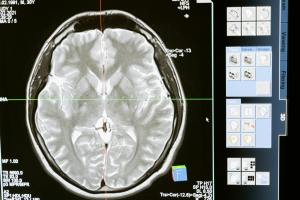
Definition/Explanation: Brain imaging techniques allow researchers to visualize brain structures and functions, giving useful insight into the biological basis of behavior. Structural imaging techniques like MRI (Magnetic Resonance Imaging) show anatomical details, such as the size, shape, and physical integrity of brain regions, which is useful for detecting abnormalities, but they cannot show brain activity. Functional imaging techniques like fMRI (functional Magnetic Resonance Imaging) measure blood flow and oxygenation in brain regions, showing which are active during specific behaviors, allowing researchers to link brain locations to behaviors. Imaging techniques have changed neuroscience by making the invisible visible, but they have limitations, for example, they are expensive, require careful interpretation, show correlation rather than causation, and cannot capture the subjective experience of behavior.
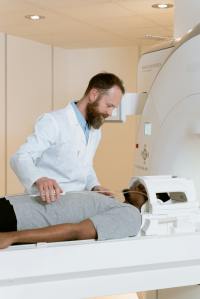
Application in the story: Brain imaging is central to Leo’s PTSD diagnosis and understanding his condition, with MRI scans in Chapter 4 showing no structural damage such as bleeding or swelling from his concussion, showing that imaging can rule out physical brain injury. In Chapter 6, Dr Rose shows Leo an fMRI image explaining how functional imaging would show heightened activity in his amygdala during panic responses and changed activity in his hippocampus, helping him understand that his symptoms have observable biological correlates even though his structural MRI appears normal. Chapter 10 reflects on this experience. Leo notes that his MRI scan ‘showed the structure of my brain in perfect detail, like a black-and-white map of everything I am. But it couldn’t show the part of me that was scared. Or ashamed. Or slowly, quietly starting to heal,’ showing both the value and limitations of imaging technology in understanding human behavior and experience.
Chemical messengers
Definition/Explanation: Chemical messengers, such as neurotransmitters and hormones, are molecules that transmit signals between neurons or from glands to target tissues, playing roles in regulating behaviors such as emotion, cognition, and physiological responses. Neurotransmitters such as serotonin, dopamine, and noradrenaline operate in the synaptic gaps between neurons, affecting mood, motivation, and alertness. Hormones such as cortisol are released into the bloodstream during stress, preparing the body for fight-or-flight responses. These chemical messengers work in complex, interconnected systems rather than in isolation, for example, chronic stress elevates cortisol, which can suppress serotonin production, contributing to depression. Understanding chemical messenger systems has resulted in effective pharmacological treatments such as SSRIs that increase serotonin availability, but also show the complexity of behavior, because the same chemical can have different effects depending on brain region, receptor type, and interaction with other messenger systems.
Application in the story: Chemical messengers are extensively discussed during Leo’s diagnosis and treatment, beginning in Chapter 3 when his acute stress response floods his body with adrenaline, cortisol, and norepinephrine (noradrenaline), causing his racing heartbeat, fast and shallow breathing, and hypervigilance. In Chapter 7, Dr Ropata explains how Leo’s PTSD involves dysregulated chemical messengers such as low serotonin (which causes flat mood), high noradrenaline (which causes jumpiness), and disrupted dopamine (which affects motivation), leading to prescription of an SSRI to increase serotonin availability at the synapses. Leo learns that alcohol disrupts his neurochemical balance by ‘mimicking GABA’ and interfering with serotonin pathways, which provides temporary calm but worsens his depression and disrupts the REM sleep he needs for recovery (Chapter 7). Chapter 9’s assembly presentation shows Leo’s understanding as he explains to classmates how chemical messengers function, showing how biological knowledge can help people understand and manage their symptoms.

Diathesis-stress model
Definition/Explanation: The diathesis-stress model describes and explains how psychological disorders develop through an interaction between predisposing vulnerabilities (diathesis) and environmental stressors. The diathesis component can be genetic, neurological, or psychological, representing an underlying susceptibility or a risk factor that on its own does not cause a disorder. The stress component can include life events, trauma, chronic pressure, or negative experiences that trigger or activate the vulnerability. The diathesis-stress model is powerful because it explains why not everyone who experiences trauma develops PTSD, and why people with genetic risk factors do not inevitably develop disorders; both must be present and the severity of each can vary. The model also has implications for prevention and treatment, suggesting that reducing either vulnerability factors or stress exposure can prevent the onset of a disorder and that interventions can target either the biological predispositions or the environmental stressors.
Application in the story: The diathesis-stress model is introduced in Chapter 1 when Leo recalls Mr Chalmers teaching about alcohol addiction. He explained that ‘some people have a genetic vulnerability to addiction’ but this ‘vulnerability usually needs a trigger, like stress or trauma’ because ‘genes aren’t destiny. They’re potential.’ The diathesis-stress model explains why Leo developed PTSD yet others on the expedition who experienced the same environmental stressor of camping in harsh conditions but not the trauma of being lost, did not. They lacked both the genetic vulnerability and the severe stressor. This understanding helps Leo recognize that his PTSD is not a personal failure, rather it is the result of a biological predisposition meeting an environmental trigger.
Genetic inheritance
Definition/Explanation: Genetic inheritance is the transmission of traits, characteristics, and predispositions from parents to offspring through DNA. In behavioral genetics, researchers study the extent to which behavior, including mental health vulnerabilities, have a heritable component, usually using twin studies, family studies, and adoption studies to separate genetic and environmental factors. Most behaviors are polygenic which means they are affected by several genes rather than determined by single genes. Heritability estimates indicate the proportion of variation in a population attributable to genetic variables, but heritable does not mean unchangeable or inevitable because genetic inheritance interacts with environmental factors: genes may influence which environments people select or create for themselves, environmental experiences can affect gene expression, and the same genetic variant may have different effects in different environmental scenarios.

Application in the story: Genetic inheritance is discussed through Leo’s family history of anxiety and substance use issues, such as his Uncle Tom’s alcohol problems following trauma (Chapter 1) suggesting a familial vulnerability that may have been inherited by Leo. In Chapter 7, Dr Rose identifies this family pattern as evidence of genetic vulnerability and explains to Leo’s parents that his PTSD and substance use problems are likely to have a genetic component, though the genes represent potential rather than certain destiny. The story shows that genetic inheritance through behavioral modeling transcends pure genetics. Leo’s drinking patterns mirror his parents’ coping mechanisms, showing how biological predisposition and learned behavior from family environment contribute to substance use. This shows that while Leo may have inherited vulnerability to anxiety and addiction, his recovery through therapy and medication shows that genetic inheritance does not determine outcomes, and that psychological and pharmacological interventions can modify the expression of genetic predispositions.
Localization of function
Definition/Explanation: Localization of function refers to the principle that brain regions are specialized for cognitive processes, behaviors, or functions, such as the amygdala for fear processing, the hippocampus for memory formation, or Broca’s area for speech generation. The principle has been supported by lesion studies showing that damage to specific locations generates predictable deficits, and by brain imaging studies that show heightened activity in certain regions during specific tasks. The localization argument has limitations: most complex behaviors involve networks of interconnected regions rather than single locations; the same area can be associated with multiple functions; and brain regions work together. The concept of distributed processing suggests that while some regions may be important for some functions, understanding behavior requires examining multiple brain areas interacting in coordinated networks rather than viewing regions as independent modules.
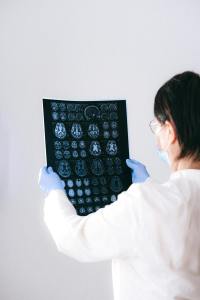
Application in the story: Localization of function is explained through Dr Rose’s teaching about specific brain regions associated with PTSD, particularly in Chapter 7 where Dr Ropata shows Leo a laminated brain scan identifying the overactive amygdala as the ‘threat detector,’ the hippocampus with potentially reduced volume in long-term PTSD, managing ‘memory, context, and sequencing,’ and the prefrontal cortex normally directing the amygdala to ‘stand down’ when a threat has passed. In Chapter 6, Dr Rose uses an fMRI image to show Leo how PTSD affects the hyperactive amygdala reacting to ‘small cues as if they’re major threats,’ and the prefrontal cortex ‘gets overridden’ and the hippocampus ‘misfires,’ explaining why the fire-drill trigger resulted in his panic attack. The story also illustrates limitations of strict localization. Leo’s recovery requires understanding of isolated brain regions and that they communicate (the ‘fuzzy’ communication between prefrontal cortex and amygdala), and that psychological interventions like CBT can affect the entire network rather than a single location. The narrative balances localization’s explanatory power with recognition that Leo’s experiences involve coordinated brain systems rather than separate malfunctioning parts.
Neuroplasticity
Definition/Explanation: Neuroplasticity refers to the brain’s ability to change its structure and function in response to experience, learning, environmental demands, or injury. Neuroplasticity occurs through several mechanisms: forming new synaptic connections between neurons (synaptogenesis), strengthening or weakening existing connections based on usage patterns, generating new neurons in specific regions (neurogenesis), and reorganizing neural pathways when responding to damage. Environmental factors influence neuroplasticity, enriched environments with learning opportunities, social interaction, and physical activity can promote positive plasticity. Chronic stress, trauma, or substance abuse can produce changes that may contribute to mental health problems. Neuroplasticity has changed our understanding of recovery from brain injury and mental illness, suggesting targeted interventions such as therapy, medication, and lifestyle changes can literally reshape brain structures and functions, although such changes require time, repetition, and sustained effort.
Application in the story: Neuroplasticity appears as a theme recovery, first introduced conceptually in Chapter 3 when Leo, lost in the forest, recalls the term from Psychology class and realizes ‘the brain isn’t fixed, that it can and does change’ not just from trauma but ‘from learning to thinking differently, again and again, until new neural pathways form.’ In Chapter 5, Leo’s teacher, Ms Roberts, reflects on how chronic stress has changed her brain through negative neuroplasticity, affecting her decision-making abilities. Dr Rose discusses neuroplasticity in Chapter 7, telling Leo that ‘the brain isn’t fixed. It can change with treatment’, explaining that medication and CBT work by promoting adaptive neuroplastic changes that can reverse the effects of trauma, related alterations in brain structure and function. Leo’s recovery journey, from PTSD symptoms to improved functioning through combined SSRI and CBT treatment, shows neuroplasticity in action, showing that the repeated practice of new thinking patterns through CBT alongside neurochemical support through SSRIs can produce permanent changes in brain function. Chapter 9 notes that ‘brains change, but like broken bones, it’s a slow process,’ acknowledging the reality and the time requirements of therapeutic neuroplasticity.
Higher Level Topics
The role of Technology in behaviour
Definition/Explanation: Technology profoundly influences behavior through mediating social interactions, shaping information access and cognitive processing, enabling surveillance and control, providing behavioral modification tools, and potentially altering cognitive processes through extended use. Modern technology affects behavior directly (features designed to shape actions like notifications or algorithms) and indirectly (creating new social norms and communication patterns). In research contexts, technology enables sophisticated measurement and manipulation through brain imaging, computerized experiments, digital tracking, and automated data collection. However, technology raises ethical concerns including privacy violations, manipulation exploiting psychological vulnerabilities (like variable ratio reinforcement in social media), widening inequality, and potential for authoritarian control. Technology isn’t neutral—tools embody creators’ values, shape behavior in non-obvious ways, and create power asymmetries between designers/controllers and users.
Application in the story: Technology appears as both essential tool and limiting factor throughout Leo’s experience. Chapter 1 establishes technology’s absence creating immediate vulnerability when Leo realizes “there was no signal and for days I couldn’t access the internet. So I wasn’t just lost, I was disconnected,” demonstrating how dependence on technology for navigation, communication, and connection creates psychological distress when unavailable. However, this disconnection produces unexpected benefits: “it felt weirdly peaceful. I had to think, properly. I had to listen to my own thoughts and to everything around me,” revealing how constant technological connection can prevent genuine self-reflection and environmental awareness. Leo’s reflection that “I’d been using technology to avoid things like thinking and feeling and even just avoiding other people” illustrates technology’s role in avoidance behaviors and emotional regulation. Medical technology enables diagnosis and treatment—Chapter 5’s MRI scan provides “black and white evidence” of brain structure, while Chapter 8’s fMRI imaging reveals “blood flow and neural activity” showing “the amygdala, your fear centre, is hyperactive, reacting to small cues as if they’re major threats,” demonstrating how sophisticated measurement technology enables understanding of psychological conditions impossible through observation alone. However, Leo recognizes measurement limitations in Chapter 9: “Even the MRI scan they did when I got back, it showed the structure of my brain in perfect detail, like a black-and-white map of everything I am. But it couldn’t show the part of me that was scared. Or ashamed. Or slowly, quietly starting to heal,” acknowledging that technology can measure biological structures but not subjective experience or meaning. Leo’s letter contemplates technology’s future role: “I wonder if that’ll still be the case when I’m 25. And now there’s AI. Like ChatGPT. I learned fairly quickly that AI can’t do my thinking. It can’t feel my feelings, or decide what matters most to me,” demonstrating critical awareness that technology assists but cannot replace human cognition, emotion, and values. The story thus presents technology’s dual nature—enabling precise medical diagnosis and treatment while potentially interfering with authentic experience, self-reflection, and human connection when used as avoidance mechanism rather than tool.
The role of Culture in behaviour
Definition/Explanation: Culture profoundly shapes behavior through shared beliefs, values, norms, practices, symbols, and meanings providing frameworks for interpreting experience, guiding action, and evaluating appropriateness. Cultural influence operates through socialization (internalizing norms about what’s acceptable), provision of interpretive schemas (shaping how situations are understood), creation of structural conditions (institutions, laws, economic systems), and establishment of social identities. Culture affects behavior obviously (explicit rules, laws, taught practices) and subtly (implicit assumptions, values, cognitive patterns members rarely recognize as culturally specific). Cultural dimensions include individualism-collectivism, power distance, uncertainty avoidance, emotional display rules, and epistemological assumptions about knowledge and truth. Understanding culture requires recognizing behavior considered adaptive in one context may be viewed differently in another, cultures evolve, individuals within cultures vary, and culture shapes without determining behavior—people retain agency to accept, resist, or modify cultural prescriptions.
Application in the story: Culture operates pervasively throughout Leo’s experience, shaping behavior in ways he initially doesn’t recognize. New Zealand’s cultural emphasis on independence and individualism influences Leo’s decision-making in Chapter 2: “I was part of this school conservation project…when I saw the kakariki that day…I didn’t think twice. I just followed it because in our culture, it’s what we all would do. I honestly believe part of me thought I was doing something noble,” demonstrating how cultural values about environmental stewardship and individual initiative unconsciously motivated behavior leading to his becoming lost. Cultural schemas about masculinity and emotional expression affect help-seeking: “My parents were relieved, obviously, but they were also uncomfortable when a psychologist and then a psychiatrist got involved. My mum started saying things like, ‘He just needs some rest,’ and my dad made jokes to avoid talking about it. The unspoken rule in our family had always been, ‘don’t dwell on feelings, and definitely don’t ask for help,’” showing how cultural norms around mental health treatment create barriers to care. Alcohol use demonstrates cultural normalization: “And the alcohol? Same thing. It was normalised. Expected even. When things ever got stressful, my parents had a drink ‘to take the edge off.’ I copied that without giving it any thought because that’s what we do, right?” illustrating social learning of culturally embedded coping mechanisms. Cross-cultural comparison provides perspective when Grégoire, the French exchange student, offers contrasting cultural frameworks in Chapter 8: “in many homes, we’re introduced to wine gradually, with food, with conversation…it’s not about getting drunk. It’s about the taste, the tradition, the culture of the meal and the family,” versus Leo’s family where drinking serves emotional avoidance rather than social connection, demonstrating how same substance serves different cultural functions. Grégoire’s response to therapy—”That’s good. I hope she’s helping”—contrasts with Leo’s family’s discomfort, showing cultural variation in attitudes toward mental health treatment: “seeing a psychologist wasn’t a crisis. It was care.” Chapter 6 reflects on cultural influences: “Culture doesn’t make decisions for us, but it constructs the framework and tells us what’s acceptable, what’s shameful, what’s heroic,” while Chapter 10’s letter synthesizes understanding: “when we start to see our culture, we can start to question it. We can ask whether our rules of acceptable or correct behaviour are helping us or holding us back. And we can choose what elements of our culture to keep, and what to throw away,” demonstrating metacognitive awareness enabling selective acceptance or modification of cultural prescriptions rather than unconscious conformity.

The role of Motivation in behaviour
Definition/Explanation: Motivation refers to internal and external forces that initiate, direct, sustain, and regulate goal-directed behavior, encompassing why people act, effort intensity, persistence despite obstacles, and choices among competing options. Key distinctions include intrinsic motivation (engaging for inherent satisfaction, interest, enjoyment) versus extrinsic motivation (engaging for external rewards, approval, or avoiding punishment), with research showing intrinsic motivation produces more sustained engagement, deeper processing, greater creativity, and better wellbeing, though both can coexist. Self-Determination Theory proposes optimal motivation requires satisfying three basic needs: autonomy (feeling in control), competence (feeling capable), and relatedness (feeling connected). Motivation is dynamic—enhanced or undermined by environmental conditions, shaped by success/failure experiences affecting self-efficacy, influenced by goal framing, affected by perceived meaning/value, and modulated by physiological states. Understanding motivation is crucial because external rewards can undermine intrinsic motivation (‘overjustification effect’), threatened autonomy triggers reactance, and sustainable behavior change requires developing intrinsic motivation rather than depending on external contingencies.
Application in the story: Motivation operates at multiple levels throughout Leo’s journey, evolving from predominantly extrinsic to increasingly intrinsic sources. Chapter 1 establishes initial extrinsic motivation for choosing the expedition: “it was this or a week creating a Youtube video about mindfulness and eating disorders with Anna and Charlene…or tutoring Year 7s in algebra,” demonstrating choice driven by avoiding worse alternatives rather than genuine interest. Leo’s pre-forest behavior reflects extrinsic motivation in Chapter 6: “Before I got lost, most of my motivation came from outside me…Get good grades for Dad, don’t cause problems for Mum, keep teachers off my back, blend in at school…extrinsic motivation, when I do things because of rewards, approval, or pressure from others.” Alcohol use exemplifies maladaptive coping when intrinsic needs remain unmet: “I wasn’t drinking to have fun or to be sociable. I was only ever drinking to escape or to shut things off or to numb the pressure and quiet the guilt I felt about not being good enough,” showing substance use filling gaps left by unsatisfied psychological needs. The forest experience transforms motivational structure through Self-Determination Theory’s three basic needs. Chapter 4’s CAS journal reveals emerging autonomy: “I had to decide what to do (autonomy). I had to survive, without anyone else’s help (competence). And strangely, I didn’t feel alone because there was something about hearing the call of the kakariki that made me feel connected to someone or something else” (relatedness), demonstrating how crisis situation paradoxically satisfied fundamental psychological needs previously unmet. This realization continues in Chapter 6: “out here, without of all that, I kind of feel… real. Even if I’m also kind of lost,” showing intrinsic motivation emerging from authentic self-directed action rather than external pressure. Recovery process develops sustainable intrinsic motivation in Chapter 8: “I can’t just rely on pills or other people or even the therapist to keep me going. I must choose what matters to me and I have to construct it for me and not for anyone else,” demonstrating shift from external to internal locus of control. The kakariki becomes motivational symbol in Chapter 10: “I see the kakariki as a metaphor for myself. It was small, vulnerable, endangered, like me…I wanted to see it thrive…because it’s important and it matters,” with Leo recognizing “I don’t do all the IB Diploma things just to tick boxes. I do it so that I understand and I actually care about it. I want to be proud of myself and what I do and achieve, not because someone clapped, but because I know I worked for it. That’s intrinsic motivation.” This transformation from extrinsic compliance to intrinsic engagement represents fundamental motivational restructuring essential for sustainable recovery and authentic goal pursuit, demonstrating how crisis can paradoxically facilitate development of healthier motivational patterns when previously unmet psychological needs for autonomy, competence, and relatedness become accessible through necessity.

Study material: Vocabulary
1. PTSD (Post-Traumatic Stress Disorder)
A mental health disorder that develops after experiencing a traumatic event, characterized by intrusive re-experiencing symptoms such as flashbacks and nightmares, avoidance of trauma reminders, negative changes in thoughts and mood, and hyperarousal. In the story, Leo is diagnosed with PTSD following his isolation in the forest.
2. Amygdala
An almond, shaped structure deep in the brain that processes emotional responses, including fear and threat detection. Dr Ropata explains to Leo that his amygdala is overactive, causing him to react to non-threatening stimuli like the school’s fire alarm, as if they were genuine dangers or threats.
3. Hippocampus
A brain structure important for forming memories, providing context to experiences, and organizing events into coherent sequences. The story explains that people with long-term PTSD typically show reduced hippocampal volume, contributing to jumbled traumatic memories.
4. Prefrontal cortex
The front region of the brain, responsible for executive functions including rational thinking, decision, making, and regulation of emotions. In PTSD, the prefrontal cortex fails to properly regulate the amygdala’s fear response, leaving the individual in a state of heightened alert.
5. Neurotransmitters
Chemical messengers that transmit signals between neurons (brain cells) across synaptic gaps, regulating mood and cognition and other behaviors. The story discusses several neurotransmitters including serotonin, dopamine, noradrenaline, and GABA in relation to Leo’s PTSD symptoms and treatment.
6. Serotonin
A neurotransmitter associated with mood regulation, emotional stability, and sleep. Dr Rose explains that Leo’s serotonin levels are low which contributes to his flat mood and depression, which is why he is prescribed an SSRI to increase serotonin availability in the synaptic gap.
7. Noradrenaline (Norepinephrine)
A neurotransmitter and hormone that increases alertness, arousal, and prepares the body for action during the stress response. Leo’s raised level of noradrenaline causes his jumpiness, hypervigilance, and inability to relax even when there is no threat of danger.
8. Dopamine
A neurotransmitter associated with motivation, reward, pleasure, and movement. Dr Rose explains that Leo’s dysregulated dopamine contributes to things feeling meaningless and lower levels of motivation for previously enjoyable activities.
9. Cortisol
A stress hormone released by the adrenal glands during threatening situations. It mobilizes energy and prepares the body for ‘fight-or-flight’. The story describes how cortisol floods Leo’s bloodstream when he realizes he is lost, and how chronic (continued) elevation contributes to his PTSD symptoms.
10. SSRI (Selective Serotonin Reuptake Inhibitor)
An antidepressant medication that works by inhibiting the reabsorption of serotonin from synaptic gaps, which increases the amount of serotonin available between neurons. Leo is prescribed an SSRI as part of his PTSD treatment. Dr Rose explains that it takes several weeks to generate expected effects.

11. Fight-or-flight response
The acute stress response that prepares the body to face up to or flee from danger/threats through activation of the sympathetic nervous system, which releases adrenaline and other stress hormones. Leo experiences this in Chapter 3 when he realizes he is lost, with his heart pounding, his breathing is accelerated, and his senses are sharper.
12. Sympathetic nervous system
The section of the autonomic nervous system that activates the body’s stress response, i.e. increasing the heart rate and blood pressure, and raising alertness while diverting resources from non-essential functions like digestion and the immune system. Leo describes his sympathetic nervous system ‘firing like a warning flare’ when he becomes disoriented in the forest.
13. Hyperarousal
A state of increased psychological and physiological tension characteristic of typical PTSD. The person remains on ‘high-alert’ even in safe situations. Leo experiences hyperarousal through jumpiness, difficulty sleeping, exaggerated startle responses, and being constantly vigilant for threats.
14. Neuroplasticity
The brain’s ability to gradually change its structure and the structures’ functions in response to experience, learning, injury, or environmental demands. Leo finds hope in understanding that his brain can ‘rewire itself under pressure’ to the extent that cognitive behavioral therapy can generate positive neuroplastic changes and so reverse trauma effects.
15. fMRI (Functional Magnetic Resonance Imaging)
A brain imaging technique that measures brain activity by detecting changes in blood flow and oxygenation. This reveals which brain regions are active during tasks, behaviors or emotional states. Dr Rose shows Leo fMRI images illustrating heightened amygdala activity in PTSD.
16. MRI (Magnetic Resonance Imaging)
A structural brain imaging technique that generates images of brain anatomy. The images can show physical damage, tumors, or abnormalities. Leo receives an MRI after being rescued; it shows no structural damage despite his concussion.
17. Cognitive Behavioral Therapy (CBT)
A psychological treatment based on the principle that thoughts, feelings, and behaviors are interconnected, and so modifying maladaptive thought patterns can lead to lasting improvements in emotions and behavior. Dr Rose teaches Leo CBT techniques to challenge his negative automatic thoughts.
18. Automatic thoughts
Quick and often unconscious thoughts that occur spontaneously in response to situations and which trigger emotional reactions. Leo learns to identify his automatic thoughts like ‘they’re talking about me’ and examine whether they are based on evidence or cognitive biases.
19. Cognitive triangle
The CBT model illustrates the interconnection between thoughts, feelings, and behaviors and shows how changing one element can affect the other two. Dr Rose uses the cognitive triangle to guide Leo’s understanding of how his interpretations of events influence his emotional and behavioral responses.

20. Diathesis-stress model
The framework that explains psychological disorders that result from the interaction between predisposing vulnerabilities (diathesis, often genetic) and environmental stressors, with both elements required for a disorder to develop. Leo learns that his genetic vulnerability (evidenced by his Uncle Tom’s anxiety issues) was activated by the trauma of being lost in the forest.
21. Classical conditioning
A learning process where a neutral stimulus becomes associated with a fear response through pairing with an aversive experience. The story references animal research which uses fear conditioning, which means pairing tones with shocks, that helped researchers understand how traumatic memories form during PTSD.
22. Intrinsic motivation
Engaging in activities for inherent satisfaction, interest, or meaning rather than for external rewards or pressures. Leo’s recovery involves him shifting from extrinsic motivation, i.e. performing to avoid disappointing others such as his parents and teachers, to intrinsic motivation, i.e. pursuing goals because they matter to him personally).
23. Extrinsic motivation
Engaging in behaviors to obtain external rewards such as praise from parents or teachers, exam grades or money, or avoid punishment rather than for inherent enjoyment. Leo recognizes that his pre-trauma academic work was largely driven by extrinsic motivation, trying not to disappoint his parents rather than for genuine personal interest.
24. Self-determination theory
A motivational theory (Deci & Ryan) proposing that people are best motivated when three psychological needs are met: (i) autonomy, which means control over one’s actions, (ii) competence, which means feeling capable, and (iii) relatedness, which means feeling connected to others. Leo applies this framework to understand both his alcohol misuse and his recovery from PTSD.
25. Social learning theory
The principle that people learn behaviors, attitudes, and emotions by observing and imitating others, especially influential role models like parents or peers. Leo recognizes he learned to use alcohol as a coping mechanism by observing and copying his parents’ drinking behavior.

26. Localization of function
The principle that specific brain regions are specialized for certain cognitive processes. The story illustrates localization by associating the amygdala with fear processing, the hippocampus with memory formation, and the prefrontal cortex with rational thinking and emotional regulation.
27. Heuristics
Mental shortcuts or rules of thumb that simplify decision-making and problem-solving. Heuristics are often useful but can sometimes lead to biases or errors. Leo uses the heuristic ‘streams lead to trails’ when lost, and later discusses how heuristics like ‘more expensive means better’ influencing consumer decisions.
28. Comorbid/Comorbidity
The simultaneous presence of several disorders or conditions in the same person. Dr Ropata diagnoses Leo with PTSD and ‘comorbid substance use,’ which recognizes that his alcohol misuse exists alongside and interacts with his PTSD.
29. Flashbacks
Vivid, intrusive re-experiencing of traumatic events where the person feels as if the traumatic event is happening again and in the present. Flashbacks are often triggered by sensory cues resembling elements of the original trauma. Leo experiences flashbacks to being cold and alone in the forest, triggered by sounds like breaking branches.
30. Hypervigilance
A heightened state of sensory sensitivity and scanning for threats, where the individual is constantly monitoring the environment for danger even in safe situations. After returning from the forest, Leo demonstrates hypervigilance through exaggerated reactions to sudden noises, crowds, and unexpected events like the school’s fire drill.

Study material: Questions and activities

Chapter 1
- Research Methods Analysis: Jared emphasizes ‘precision of measurement’ and states ‘If you didn’t measure it, it didn’t happen.’ Explain why precise, objective measurement is important in psychological research. How does this relate to the conservation project’s use of chew cards, GPS coordinates, and timed observations? What would be the limitations of relying on subjective impressions rather than systematic measurement?
- Animal Research Ethics Debate: Ms Roberts discusses using animal research (using rats, mice) to understand human mental health issues like fear conditioning and addiction. Create a balanced argument examining both the value of animal research in psychology and the ethical considerations. Reference the story’s mention of animals experiencing fear but not shame or regret as humans might.
- The Diathesis-Stress Model Application: Leo recalls learning about the diathesis-stress model in relation to addiction, noting that ‘genes aren’t destiny. They’re potential.’ Draw a diagram of the diathesis-stress model and apply it to Uncle Tom’s situation (genetic vulnerability + plane crash trauma = alcohol problems). Predict how this model might be relevant to Leo’s story.
- Social Learning Observation: Leo observes his parents’ drinking behavior throughout this chapter. Identify three examples of social learning modeling in Chapter 1. For each, explain: (a) what behavior is being modeled, (b) who the model is, (c) what Leo learns from observation, and (d) how this relates to Bandura’s social learning theory.
- Perspective-taking: Ms Roberts warns students not to assume ‘that the way you behave is the same way everyone else does’ and not to anthropomorphize animals. Write a short reflection explaining why using multiple perspectives is important in psychology. How might cultural perspective, species differences, or individual variation affect our understanding of behavior?
Chapter 2
- Operationalization Activity: The research team uses specific, measurable indicators of pest activity, for example, chew card tooth marks, trap contents, GPS locations, and timestamps. Choose one psychological construct, for example, stress, happiness, or aggression and create an operational definition explaining exactly how you would measure it in a research study. Explain that your measurement method is valid, which means it measures what you intend, and is reliable, which means it produces consistent results.
- Ethical Considerations: Jared discusses the ethics of palm oil production harming orangutans, and students debate whether killing predators to save native birds is ethical. Create a similar ethical dilemma relevant to psychological research, for example, is it ethical to study stress by inducing mild anxiety in participants? Present arguments from multiple perspectives and explain how Ms Roberts’ statement ‘ethics often means choosing between two forms of harm’ applies.
- Animal Research: Ms Roberts explains that research on fear, addiction, and memory uses animal subjects, which raises ethical questions. Create a table with two columns: ‘Benefits of Animal Research’ and ‘Ethical Concerns’. List at least 3 points for each column based on information from this chapter and your IBDP Psychology knowledge. Then write a conclusion about whether you think the benefits outweigh the concerns.
- Cultural Differences: Ms Roberts explains that conformity and group behavior differ across cultures, with some Asian cultures prioritizing group harmony while Western European cultures emphasize individual choice. Research and present one specific example of a behavior that varies across cultures, explaining what might cause these differences.
- Biological Reductionism: The chapter presents both biological explanations such as animal brain structures, and fear conditioning mechanisms, and acknowledges that ‘even humans don’t behave the same across different cultures.’ Explain biological reductionism and identify one strength and one limitation of this approach using examples from the chapter.
Chapter 3
- Acute Stress Response Mapping: Leo experiences a classic fight-or-flight response when he realizes he is lost. Create a flowchart showing: (a) the trigger (realizing he is lost), (b) the brain regions activated (amygdala and hypothalamus), (c) the physiological changes (adrenaline, cortisol, and noradrenaline release), and (d) the behavioral/cognitive symptoms Leo experiences (racing heart and rapid breathing, hypervigilance, and racing thoughts).
- Neuroplasticity Understanding: Leo recalls the concept of neuroplasticity, thinking ‘the brain isn’t fixed, that it can and does change physically… from learning to thinking differently, again and again, until new neural pathways form.’ Explain neuroplasticity and why it gives Leo hope in his situation. Provide two other examples of neuroplasticity (not from the story) that demonstrate the brain’s capacity to change.
- Self-determination Theory: In his journal entry, Leo reflects on Self-determination Theory (autonomy, competence, relatedness). Analyze his situation in the forest: Does being lost fulfill or thwart these three needs? Create a table showing evidence for each need being met or not met and describe how this relates to his statement about feeling ‘real’ despite being lost.
- Heuristics: Leo uses the heuristic ‘if you keep heading downhill, you’ll hit the stream. Streams lead to trails. Trails lead to people.’ Explain heuristic thinking. Then explain that this particular heuristic, while logical, might be an example of how mental shortcuts can lead to errors. What would a more rational approach look like?
- Substance Use as Coping Mechanism: Leo uses alcohol to ‘take the edge off,’ mimicking his parents’ behavior. Drawing on both social learning theory and biological explanations, write two paragraphs explaining: (1) how Leo learned this coping strategy, and (2) why alcohol provides temporary relief but ultimately worsens stress and anxiety, referencing GABA, neurotransmitters, and the stress response system.

Chapter 4
- Stress and Decision-making: Ms Roberts reflects that chronic stress from teaching has ‘chipped away at her reasoning’ through neuroplasticity, affecting her ability to make effective decisions during the evacuation. Research and explain that chronic stress affects: (a) the prefrontal cortex, (b) decision, making quality, and (c) memory function. How does this differ from Leo’s acute stress response in Chapter 3?
- Animal Research: The hospital psychologist explains to Leo’s parents how rat studies using fear conditioning (pairing tones and shocks) helped researchers understand PTSD. Create a short explanation of: (a) how classical fear conditioning works, (b) what researchers learned about the amygdala and hippocampus from these studies, (c) how this knowledge helps treat Leo’s PTSD, and (d) why such studies raise ethical.
- Memory and Trauma: Leo experiences memory gaps and confusion about timing during his ordeal. Based on information from this chapter and your psychology knowledge, explain that traumatic experiences may produce fragmented, disordered memories. Reference the role of the hippocampus, cortisol, and the difference between normal memory encoding and trauma memory encoding.
- Determinism vs. causality: Multiple people blame themselves for Leo getting lost (Ethan and Jade for not watching him, Ms Roberts for not doing a roll check, Jared for declaring the camp clear). Discuss the difference between causal factors such as things that contributed to the outcome, and moral responsibility, such as who should be blamed. Who, if anyone, bears primary responsibility, and why is this question important for the psychology of all stakeholders?
- Brain Imaging Techniques: Leo receives an MRI scan showing no structural damage. Research and create a comparison chart between MRI (structural imaging) and fMRI (functional imaging), including: what each measures, what information each generates, what each cannot show, and why Leo needed an MRI rather than fMRI in this situation.
Chapter 5
- Motivation Theory: Leo writes about Self-determination Theory in his journal, applying it to both his substance use and his forest experience. Create three scenarios (one each for autonomy, competence, and relatedness) showing: (a) a situation where the need is met and the person shows intrinsic motivation, and (b) a situation where the need is thwarted and the person shows maladaptive coping. Use examples from the story and your own ideas.
- Intrinsic vs. Extrinsic Motivation: Leo distinguishes between drinking ‘to fill the gap’, i.e. unhealthy extrinsic/avoidance motivation, and feeling ‘real’ in the forest even while lost, i.e. intrinsic motivation emerging from autonomy and competence. List five of your own daily activities and classify each as primarily intrinsically or extrinsically motivated. For any primarily extrinsic ones, explain how they could be reframed to engage intrinsic motivation.
- Environmental Factors in Mental Health: While Leo is lost, environmental factors both threaten and support his wellbeing (isolation threatens, but nature-sounds like the kiwi provide connection). Create a list of environmental factors that influence mental health, categorizing them as: (a) risk factors that increase disorder likelihood, and (b) protective factors that support resilience.
- Cognitive Processing: Leo’s thinking switches between rational problem-solving and anxious rumination/thinking. Identify three examples of each type of thinking from this chapter. Then explain how the prefrontal cortex (rational) and amygdala (emotional) interact during stressful situations, and why Leo sometimes succeeds and sometimes fails at maintaining rational thinking.
- Research Design: Imagine you’re designing a study to investigate how isolation affects stress responses and decision-making. Describe: (a) your research question, (b) your operational definitions for key variables, (c) what you would measure and how, (d) what ethical concerns would arise, and (e) why Leo’s experience, while informative, wouldn’t constitute scientific evidence on its own.

Chapter 6
- PTSD Symptom Identification: Leo experiences several PTSD symptoms after returning: nightmares, hypervigilance, flashbacks, avoidance, concentration difficulties, irritability, and sleep problems. Create a chart organizing these symptoms into the four PTSD symptom clusters: (a) intrusion symptoms, (b) avoidance, (c) negative alterations in cognition and mood, and (d) alterations in arousal and reactivity.
- Brain Imaging Interpretation: Dr Rose shows Leo fMRI images explaining how his amygdala is hyperactive, his hippocampus misfires, and his prefrontal cortex is overridden. For each structure, explain/describe: (a) its normal function, (b) what’s happening in Leo’s PTSD brain, and (c) what symptom(s) result from this dysfunction.
- Cultural Comparison: The chapter contrasts Leo’s family culture (using alcohol for pressure relief, and mental health treatment as embarrassing) with Grégoire’s French culture (using wine as social/family tradition, and therapy as normal self-care). Create a detailed comparison examining: (a) attitudes toward alcohol, (b) attitudes toward mental health treatment, (c) norms around emotional expression, and (d) how these cultural differences might affect mental health outcomes.
- Chemical Messengers: Dr Rose explains how Leo’s neurotransmitters are dysregulated, for example, low serotonin, high noradrenaline, and disrupted dopamine. Create an informational poster or infographic about these three neurotransmitters that includes: (a) normal functions, (b) what happens when levels are too low or too high, (c) which symptoms result, and (d) how this explains Leo’s specific experiences, i.e. flat mood, jumpiness, loss of motivation.
- Localization vs. Networks: The chapter explains specific brain regions involved in PTSD but also mentions they must ‘communicate’ properly. Does PTSD support the principle of localization of function, or does it demonstrate the limitations of localization? Use evidence from the chapter about multiple interacting brain regions and explain why understanding both localization and neural networks is important for comprehensive understanding.
Chapter 7
- Biological Explanation of PTSD: Dr Ropata provides a comprehensive biological explanation using brain scans. Create a poster illustrating the biological basis of PTSD that includes: (a) three key brain structures with their dysfunctions, (b) three neurotransmitters/hormones with their dysregulation, (c) how these biological factors produce specific symptoms, and (d) one strength and one limitation of biological explanations for mental health disorders.
- The Diathesis-stress Model: Dr Rose explains Leo’s PTSD using the diathesis-stress model, noting his genetic vulnerability was activated by trauma. Draw a labelled diagram of this model showing: (a) Leo’s specific genetic diathesis with evidence, (b) his environmental stress with details, (c) why both elements are necessary, and (d) why Ethan and Jade did not develop PTSD despite experiencing the same camping trip. Describe what this model tells us about prevention and treatment.
- Causality and Responsibility: Leo tells Ethan and Jade ‘Cause and effect; it’s not always a straight line… my decisions were what got me lost.’ Analyze this statement in terms of: (a) multiple causality (identifying at least five factors that contributed to Leo getting lost), (b) the difference between causal contribution and moral blame, and (c) why accepting responsibility while recognizing complexity is psychologically healthier than simple blame.
- Treatment Approach: Leo begins combined treatment with SSRIs and CBT. Create a comparison table evaluating: (a) biological treatment (SSRIs) – mechanism, timeline, strengths, limitations; (b) psychological treatment (CBT) – mechanism, timeline, strengths, limitations; and (c) why combined treatment is often more effective than either alone.
- Substance Use and Mental Health: Leo’s alcohol use is diagnosed as ‘comorbid substance use’ that existed before but was ‘exacerbated by’ the trauma. Write two paragraphs explaining: (1) how alcohol affects neurotransmitters (GABA, serotonin) and why it provides temporary relief but worsens depression and anxiety long, term, and (2) how social learning, environmental factors, and biological vulnerability combined to create Leo’s substance use pattern.

Chapter 8
- The CBT Triangle: Dr Rose teaches Leo the cognitive triangle: thoughts → feelings → behaviors. Choose three situations from your own life and analyze each using the CBT model: (a) identify the triggering event, (b) identify your automatic thought, (c) identify the resulting emotion, (d) identify the resulting behavior, and (e) generate an alternative thought and predict how it would change the feeling and behavior.
- CBT: Create a poster/wall chart that explains CBT.
- Biological vs. Psychological Treatment Comparison: Leo receives both medication (biological) and CBT (psychological). Create a detailed Venn diagram showing: (a) unique features of biological treatment, (b) unique features of psychological treatment, (c) overlapping features or effects, and (d) why the combination is often more effective than either alone.
- Cognitive Model: Write an evaluation of cognitive models for understanding mental health disorders. Include: (a) two major strengths with specific examples from Leo’s case, for example, identifies modifiable factors and empowers patients, (b) two potential limitations, for example, does not address biological factors alone, requires patient engagement and practice, and (c) a conclusion about when cognitive approaches are most and least appropriate.
- Neuroplasticity and Recovery: Leo learns that ‘the brain isn’t fixed. It can change with treatment’ through neuroplasticity. Research and explain: (a) what neuroplasticity is at the cellular level (synaptic changes, neural pathway formation), (b) how both medication and CBT promote neuroplastic changes, (c) why change takes time and repetition (Leo notes ‘like broken bones, it’s a slow process’), and (d) one other context where neuroplasticity is important, for example, recovery from brain injury, learning new skills.

Chapter 9
- Heuristic Thinking: Leo explains to the school that he used heuristic thinking, i.e. mental shortcuts, when making decisions in the forest and when choosing phones based on ‘more expensive means better.’ Identify and explain three common heuristics or cognitive biases (availability heuristic, confirmation bias, representativeness heuristic, etc.). For each: (a) define it, (b) explain why it is useful, (c) give an example of when it may lead toa significant/important error, and (d) suggest how to overcome it through critical thinking.
- Reducing Stigma: Leo’s presentation aims to reduce mental health stigma by explaining PTSD. Design a brief educational presentation about one mental health topic that includes: (a) biological explanations, (b) psychological/cognitive factors, (c) social/cultural influences, (d) effective treatments, and (e) a strategy for reducing stigma and encouraging help, seeking.
- Ethics: Leo questions whether pest eradication is ‘ethical’ and challenges the concept of ecological ‘restoration.’ Organize a structured debate on the motion: ‘The benefits of animal research in psychology outweigh the ethical concerns.’ Prepare arguments for both sides that address: (a) what we’ve learned from animal research, (b) ethical concerns (suffering, consent, species differences), (c) alternatives (human studies, computer models), and (d) how to balance scientific progress with ethical responsibility.
- Perspective-Taking: Leo challenges Jared’s restoration approach by asking ‘how do we decide when we’re restoring to?’ Apply this perspective-taking to psychology: Choose one ‘normal’ or ‘healthy’ psychological state, for example, happiness, confidence, or motivation. Explain: (a) why defining the ‘normal’ baseline is complicated, (b) how cultural perspective affects what’s considered healthy, (c) whether psychology should aim to restore people to a previous state or help them adapt to current circumstances.
- Multiple Approaches Integration: Leo’s presentation integrates biological (brain structure, neurotransmitters), cognitive (thought patterns), and sociocultural (family modeling, cultural norms) perspectives on PTSD. Choose another mental health disorder and create an integrated explanation that includes: (a) biological factors (genetics, brain function, neurotransmitters), (b) cognitive factors (thinking patterns, beliefs, information processing), (c) sociocultural factors (cultural norms, family environment, social learning), and (d) how these interact rather than operating independently.
Chapter 10
- Technology and Behavior Analysis: Leo’s letter discusses how technology affects behavior both positively (brain imaging enabling diagnosis, information access) and negatively (facilitating avoidance, replacing genuine thinking). Create a wallchart/poster that shows technology’s role in one specific area of psychology (mental health diagnosis/treatment, education, social behavior, or cognitive processes). Include: (a) three beneficial applications, (b) three concerns or limitations, (c) what technology can and cannot capture about human experience, and (d) recommendations for optimal technology use.
- Culture and Behavior: Leo provides extensive analysis of how culture influenced his behavior through New Zealand individualism, family culture around emotions and alcohol, and microcultures. Describe the role of culture in behavior at several levels: (a) national/ethnic culture (values, norms, practices), (b) family culture (specific learned patterns), (c) subcultures and microcultures (peer groups, gender norms), and (d) how cultural awareness enables choice rather than unconscious conformity.
- Motivation Development: Leo traces his motivational journey from predominantly extrinsic (avoiding disappointment, seeking approval) to more intrinsic (pursuing meaningful goals for personal satisfaction). Create a chart that documents: (a) three current activities and whether they’re intrinsically or extrinsically motivated, (b) analysis of whether your three basic needs (autonomy, competence, relatedness) are being met in each domain, (c) identification of unhealthy compensatory behaviors when needs aren’t met (like Leo’s substance use), and (d) a plan for increasing intrinsic motivation in one area of your life.
- Integrated Biopsychosocial Case Study: Leo’s recovery involved biological (medication, brain changes), psychological (CBT, thought challenging), and social (therapy relationship, Grégoire’s support, reduced stigma) interventions. Choose a different mental health disorder and create an integrated treatment plan that addresses: (a) biological factors and treatments, (b) psychological factors and interventions, (c) social/environmental factors and supports, and (d) how these three levels interact and why treating only one level would be insufficient.
- Critical Reflection on the Concepts: Leo’s letter demonstrates sophisticated understanding of the IB Psychology concepts: bias (in his own thinking), causality (complex, non, linear), change (through neuroplasticity and effort), measurement (its value and limits), perspective (cultural and theoretical), and responsibility (balancing determinism and agency). Write a reflective paragraph examining your own thinking about ONE of these concepts: (a) define the concept with psychological examples, (b) analyze how your understanding has changed through studying this story, (c) identify where you see this concept operating in your own life, and (d) explain how awareness of this concept could improve your behavior.

Has our free Study Material helped you?
Please help us to continue helping you.
If these free study materials have helped you understand IB Psychology, please consider supporting our work by purchasing our Internal Assessment guide, Extended Essay handbook, or Practice Exams with model answers—your purchase enables us to continue creating free resources while providing you with the expert guidance needed for IB Psychology’s most challenging assessments.


 Tom Coster - Psychology