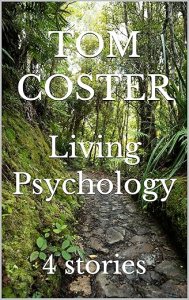
This book brings IB Diploma Psychology to life through 4 compelling stories, each created to illuminate the course’s Contexts, Concepts and Content.
Come with Leo on a CAS project to help save the Kakariki – an endangered bird. But Leo takes a wrong turn, gets lost in the forest and is rescued by the Police. And over the next few months he’s rescued again, this time from PTSD by a psychologist, Cognitive Behaviour Therapy and some SSRIs. Click on this link to see the Study Material created for Lost and Found.
In Moscow Mind Games, you’ll see Professors Pavlova and Vygotsky being led a merry dance around Moscow, rushing through a series of challenges while their PhD students are held hostage by the evil mastermind Krasinsky. What will we learn about cognitive psychology and ethics in this race against time? Click on this link to see the Study Material created for Moscow Mind Games.
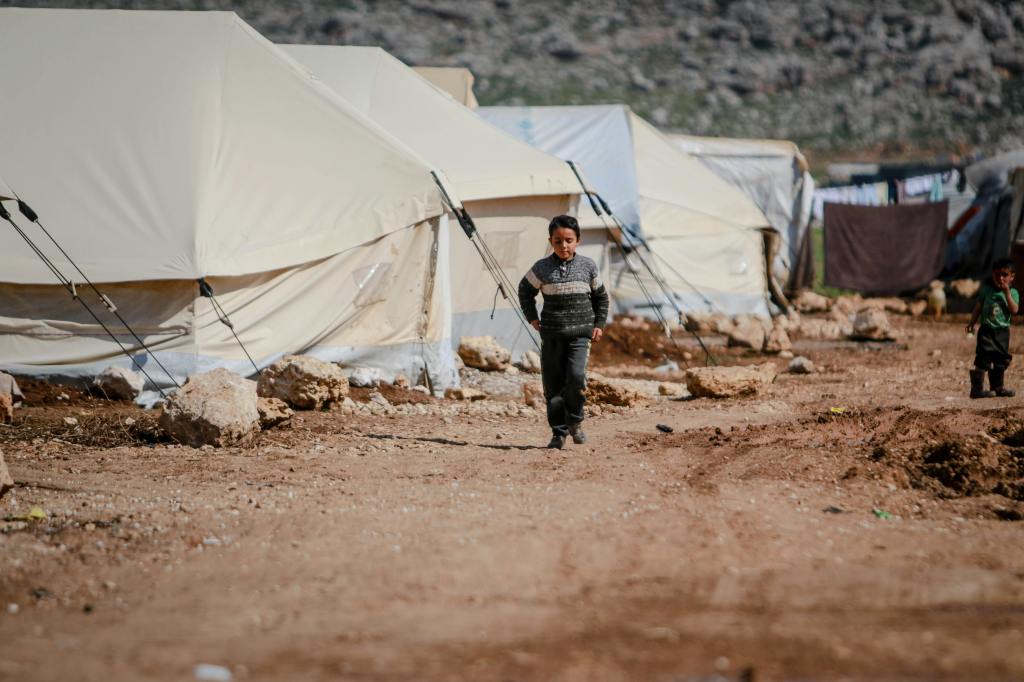
In Rosa damascena, we travel with Omar Hassad and his family from Damascus in Syria to Germany where they adapt to life in a new culture. Feel their fear and sadness as they travel under the cover of darkness out of Syria and into eastern Turkey, then by bus across Turkey and across the sea to Lesbos in Greece and then up through eastern Europe to Germany. Read about the role of culture in human behavior. Click on this link to see the Study Material created for Rosa damascena.
And in The Tipping Point, work with Dr Lejla Marinović as she and her vast team of Developmental and Research Psychologists race against time to rescue Europe from economic and social catastrophe resulting from extreme population decline. Dr Lejla and her team are responsible for raising several thousand children to become fully-functioning, well-developed young adults, to be integrated into European society before the human species reaches its tipping point. Click on this link to see the Study Material created for The Tipping Point.

The IB Diploma Psychology course is designed so that Concepts, Contexts (including the three Higher Level topics of Technology, Culture, and Motivation), and Content (approaches, research methods, and data analysis and interpretation) ‘work’ together in integrated, synthesized ways rather than as separate, disconnected units, and the assessment structure rewards students who demonstrate understanding of these interconnections rather than isolated factual recall. ‘Lost and Found’ (Leo’s story) exemplifies this integration: while primarily exploring the biological approach through neuroplasticity, neurotransmitters, and brain imaging technology, and the Health and Wellbeing context through PTSD and substance use, the story simultaneously addresses the Human Development context (Leo’s adolescent brain is still developing, making it more plastic and responsive to CBT intervention), the Cognitive approach (through examining how Leo’s automatic thoughts and heuristic thinking contributed to his becoming lost), and multiple Concepts including Change (Leo’s neural pathways physically restructuring through therapy), Causality (distinguishing between biological, cognitive, and social factors in PTSD development), and Responsibility (evaluating whether Leo’s alcohol use represents personal choice or determined response to genetic vulnerability and environmental stress). Similarly, ‘Rosa damascena’ integrates the Sociocultural approach and the Human Relationships context, while also addressing research methodology (comparing emic and etic approaches in studying refugee experiences), the Higher Level topic of Culture (examining acculturation strategies and their mental health outcomes), Measurement (exploring limitations of standardized assessments for non-traditional family structures), and Perspective (demonstrating how the same family behaviors appear completely different depending on whether viewed through Syrian collectivist or German individualist cultural frameworks). Each story in Living Psychology mirrors how the examination expects students to think: recognizing that understanding behavior requires synthesizing biological, cognitive, and sociocultural explanations; applying multiple Concepts simultaneously; considering how contexts like development, culture, and relationships shape outcomes; and evaluating how research methods and their limitations affect our psychological knowledge.
Four stories to support IB Diploma Psychology

This book brings psychology to life through four compelling narratives, each designed to illuminate core components of the IB Diploma Psychology curriculum. Rather than presenting psychological concepts through traditional textbook explanations, these stories embed theoretical frameworks, research methodologies, and real-world applications within engaging plots that feature complex characters facing authentic psychological challenges. Each story systematically addresses specific approaches, contexts, and analytical skills required for IB Diploma Psychology students, while all four stories explore the six key concepts (bias, change, causality, measurement, perspective, and responsibility) and the three Higher Level topics (the influence of culture, technology, and motivation on behaviour).
Lost and Found
This story follows Leo, a sixteen-year-old student who becomes lost in New Zealand’s Remutaka Forest while following an endangered kakarikī bird during a conservation project. The narrative explores the biological approach to psychology through Leo’s experience of trauma and subsequent development of PTSD, examining how the brain processes threatening situations and how physiological stress responses affect behaviour and memory. The health and wellness context is addressed through Leo’s recovery journey, including the neurobiological mechanisms underlying trauma responses and therapeutic interventions. Click on this link to see the Study Material created for Lost and Found.

Moscow Mind Games
Set in contemporary Moscow, this psychological thriller features Dr. Anya Pavlova and Dr. Nikita Vygotsky as they solve intricate psychological puzzles to rescue kidnapped PhD students. The story teaches the cognitive approach to psychology by exploring perception, memory, problem-solving, decision-making, and cognitive biases throughout the investigation. The learning and cognition context is woven throughout as characters apply cognitive principles to decode clues, understand perpetrator motivations, and develop investigative strategies. The narrative demonstrates how cognitive processes influence behaviour in high-stakes situations while examining attention, schema theory, and cognitive load in practical applications. Click on this link to see the Study Material created for Moscow Mind Games.

Rosa damascena
This emotionally resonant story traces the Haddad family’s refugee experience as they flee Damascus during the Syrian civil war and eventually resettle in Germany. The narrative exemplifies the sociocultural approach to psychology by examining how cultural norms, social identity, group dynamics, and acculturation processes shape individual and family behaviour. The human relationships context is central as the story explores attachment patterns, cultural dimensions, social identity theory, and the psychological impact of displacement on family bonds and community connections. Through the family’s journey of loss, adaptation, and eventual return, the story demonstrates how culture profoundly influences human experience and behaviour across different contexts. Click on this link to see the Study Material created for Rosa damascena.
The Tipping Point
This speculative fiction narrative addresses Europe’s demographic crisis through the creation of Gen0 children—genetically optimized humans raised in specialized institutes and integrated into declining communities. The story comprehensively covers data analysis and interpretation topics by showcasing various research methods including experiments, observations, surveys, interviews, correlational studies, and case studies throughout the multi-year research program. The human development context is explored in depth through attachment theory, brain maturation, neuroplasticity, critical periods, theory of mind, enculturation, and the role of childhood experiences in shaping identity. The narrative demonstrates sampling techniques, data visualization, statistical analysis, thematic analysis, and research considerations including validity, generalizability, reflexivity, and ethical transparency as researchers document the Gen0 children’s development from infancy through early adulthood. Click on this link to see the Study Material created for The Tipping Point.

 Tom Coster - Psychology