One of the persistent challenges when teaching DP Psychology is finding homework that genuinely reinforces classroom learning without becoming mere ‘busywork’. Students need materials that engage them, connect directly to the syllabus, and support independent learning. Living Psychology offers exactly that.
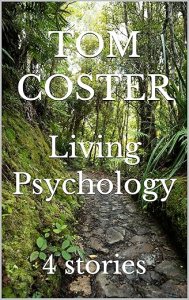
The eBook format is designed specifically for modern student learning habits. Students can read the compelling stories on their phones during commutes, at the cafeteria…, whenever they have time, making psychology homework feel less like work and more like reading they enjoy. No bulky textbooks, no excuses about leaving materials at school. The stories are accessible anytime, anywhere.

But here’s where Living Psychology transforms from engaging fiction into powerful pedagogical support: every chapter links directly to comprehensive learning materials on www.TomCoster.com. Students simply click through from their reading to find chapter summaries, explicit connections between the narrative and syllabus content, vocabulary lists, the HL topics, and detailed explanations of how each story element illustrates specific psychological concepts.
When Leo struggles with PTSD symptoms in the Remutaka forest, students click through to find explanations of neuroplasticity, the biological approach, and research methods used to study trauma recovery. When the Haddad family navigates acculturation in Germany, the website explicitly maps their experiences to Berry’s acculturation strategies, Social Identity Theory, and the Higher Level topic of culture’s role in behavior. When Gen0 researchers document attachment formation, students access materials explaining Bowlby’s theory, research methodology, ethical considerations, and human development as a Context.
This seamless integration between story and syllabus means homework becomes genuinely productive. Students aren’t just reading, they’re actively connecting narrative experiences to Concepts (like identity, relationships, and well-being), Contexts (including all three HL topics), and Content (approaches, research methods, and data analysis). The website materials make these connections explicit and accessible, supporting students who need more scaffolding while allowing independent learners to explore deeply.
For teachers, this means assigning homework with confidence that students have the support they need to succeed independently. Read a chapter, explore the corresponding materials, complete the reflection questions; it’s straightforward, self-directed, and directly aligned with what you’re teaching in class.
Living Psychology turns homework from something students avoid into something they enjoy and engage with, building psychology literacy one compelling story at a time.

 Tom Coster - Psychology
Leave a comment